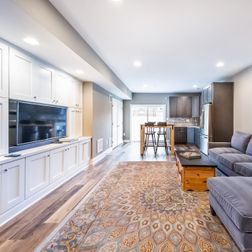
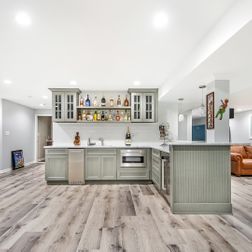
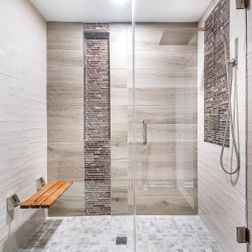
Foxhall is one of DC's best-kept secrets — a pocket of sprawling estates and wooded lots tucked between Georgetown and the Potomac, where privacy is the point. No bustling commercial strips, no Metro stations, just tree-lined roads and properties measured in acres rather than square feet. The homes here are substantial, the owners value discretion, and most basements have never been touched since the day they were built.
We've worked in Foxhall for over two decades, handling basement projects on properties where attention to detail isn't optional — it's expected. These aren't starter homes or investment flips. They're primary residences for families who've chosen this neighborhood specifically because it offers something the rest of DC can't: genuine seclusion without leaving the city. The basement in a home like this should match the quality of everything above it.
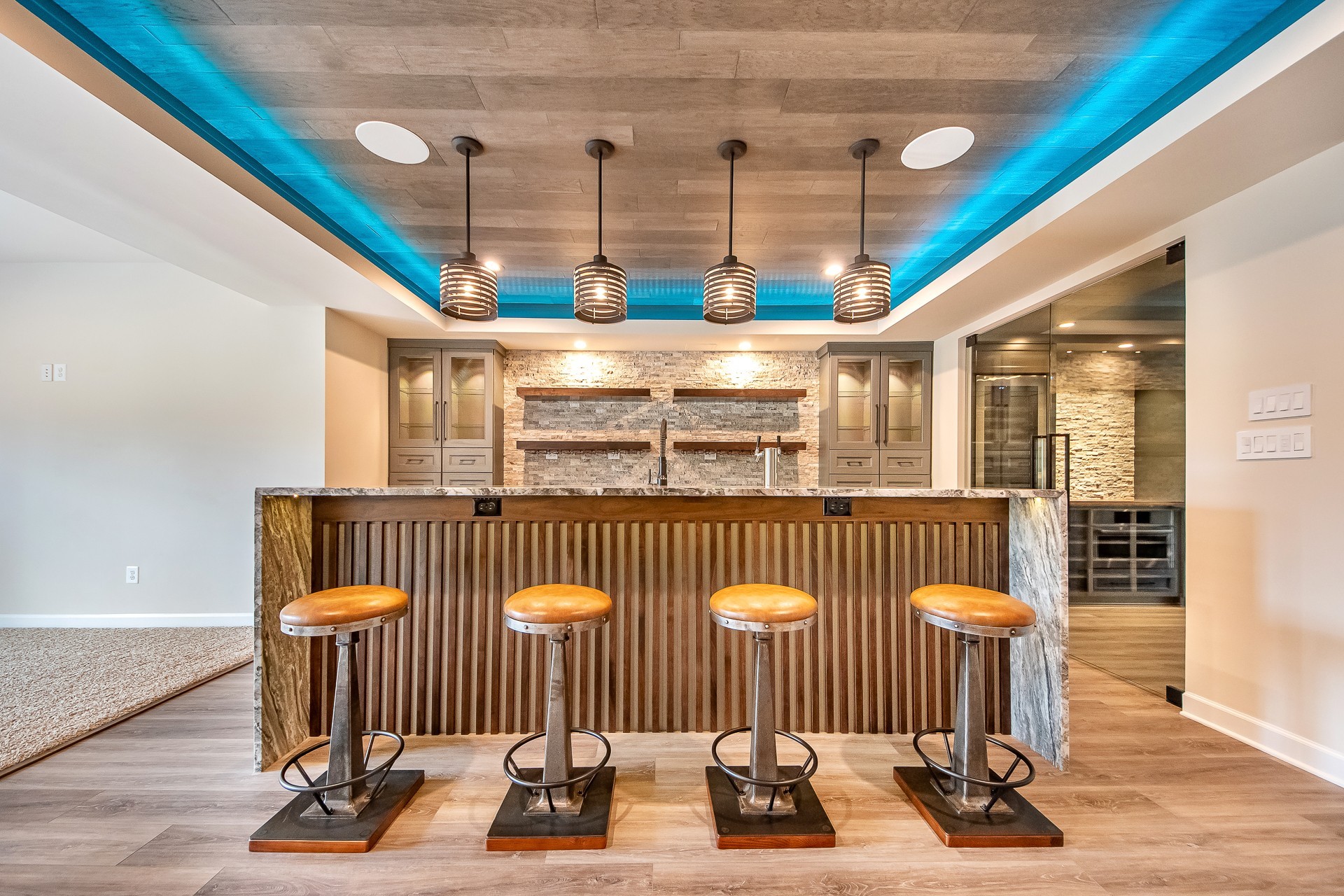
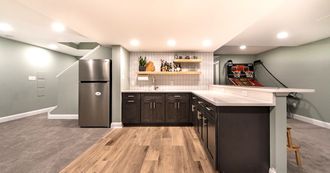
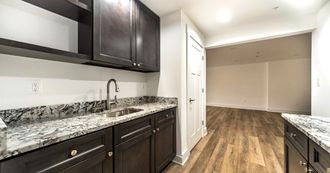
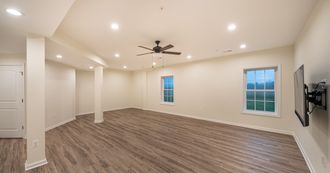
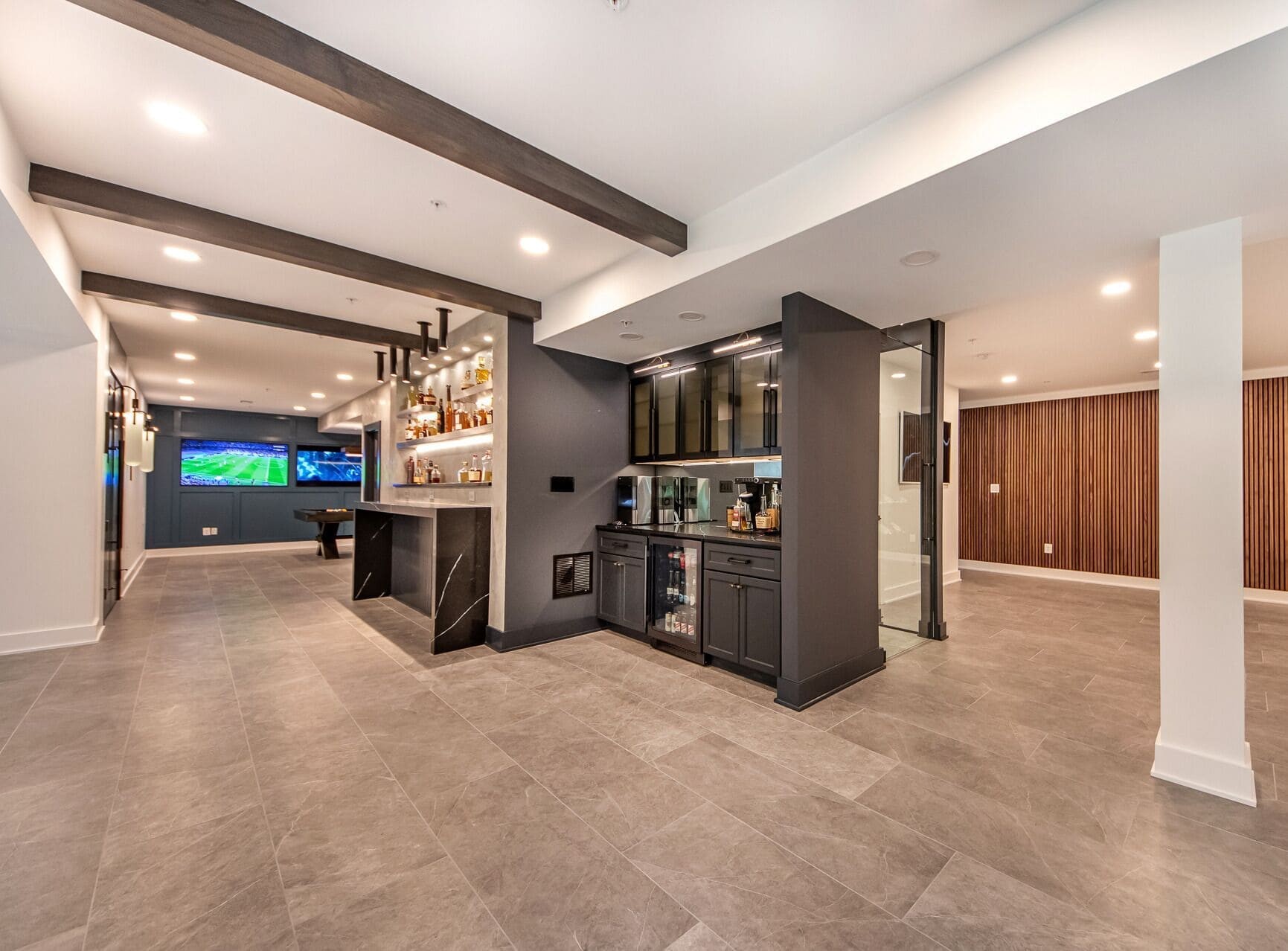
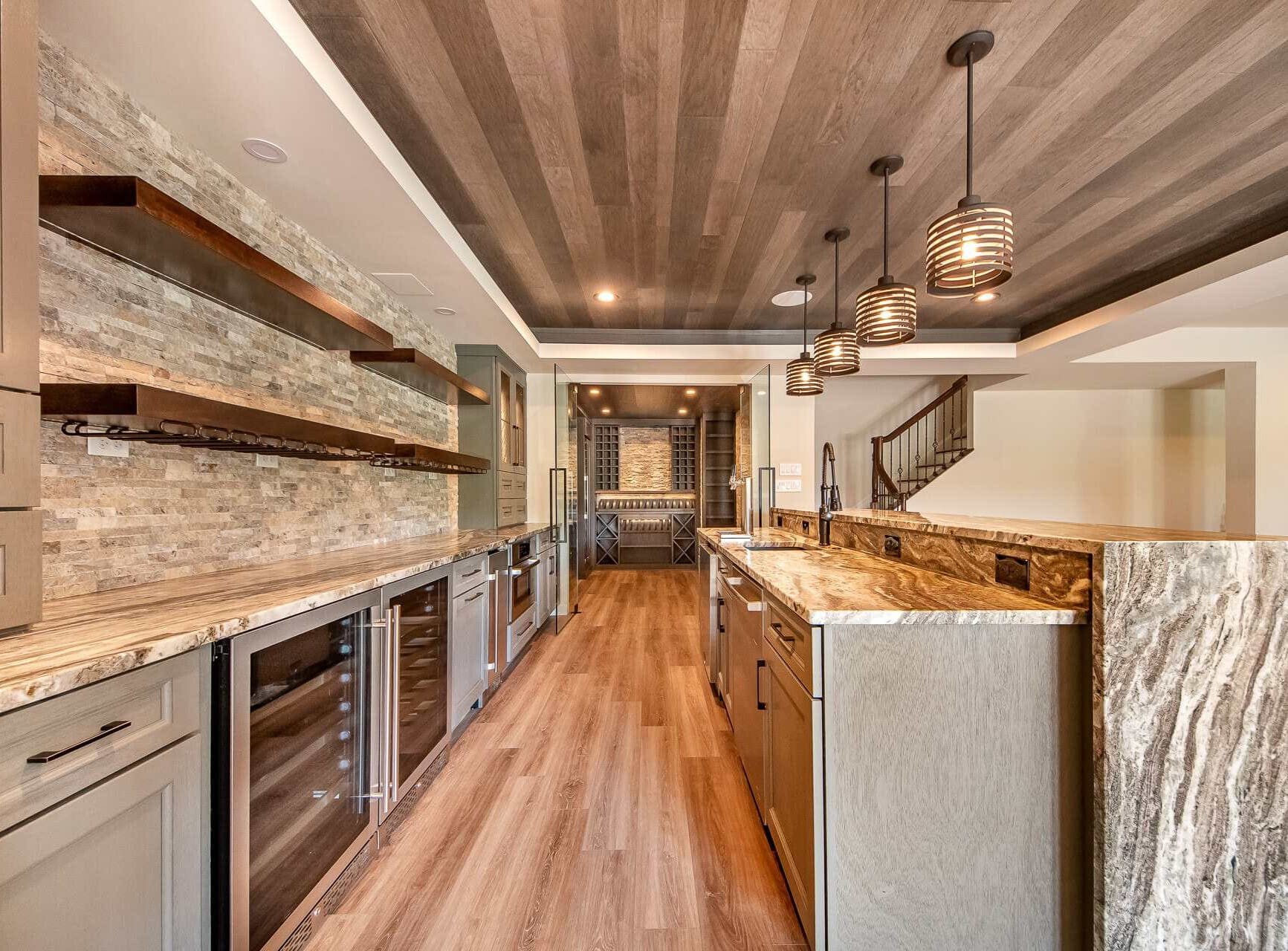
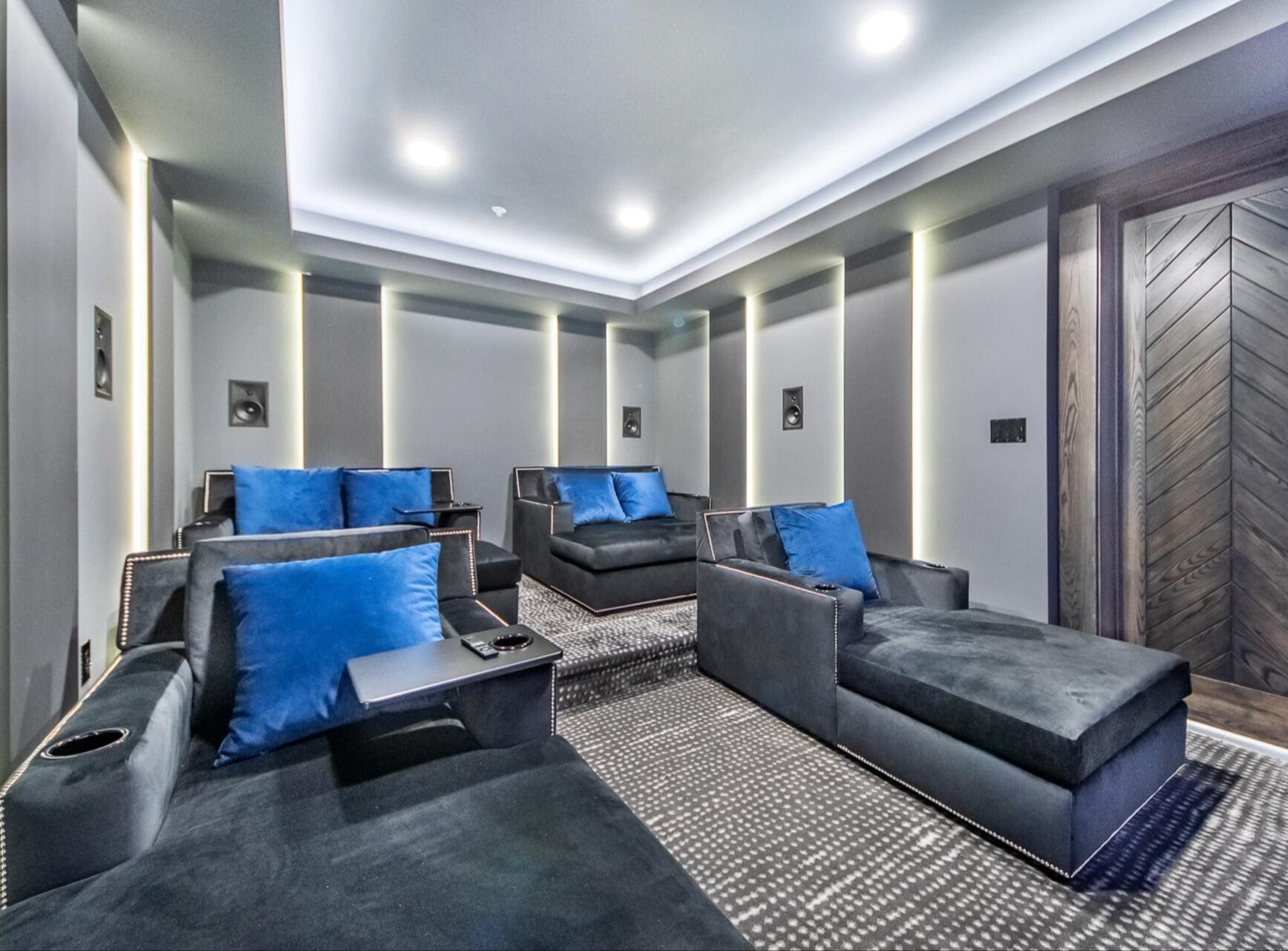
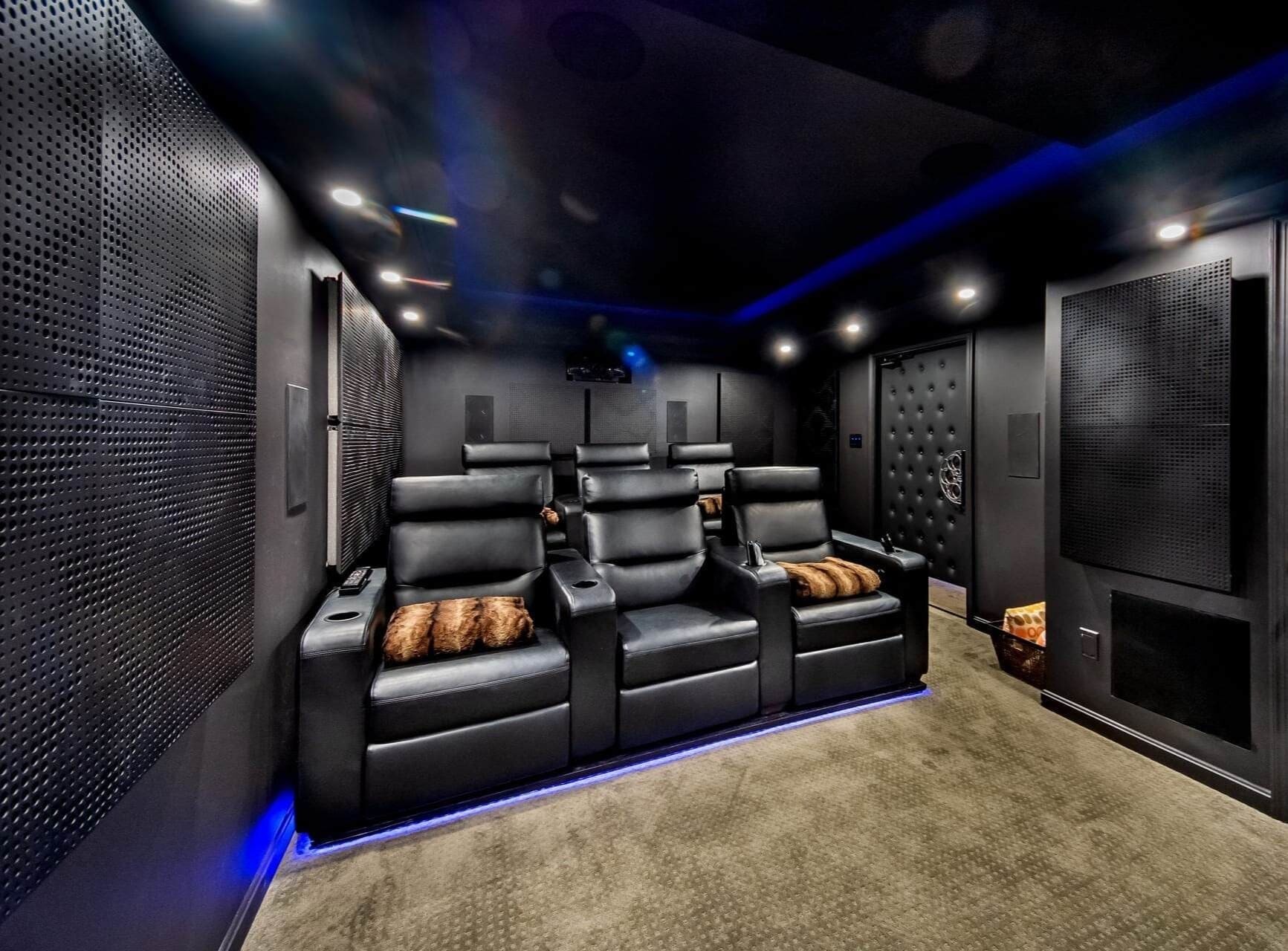
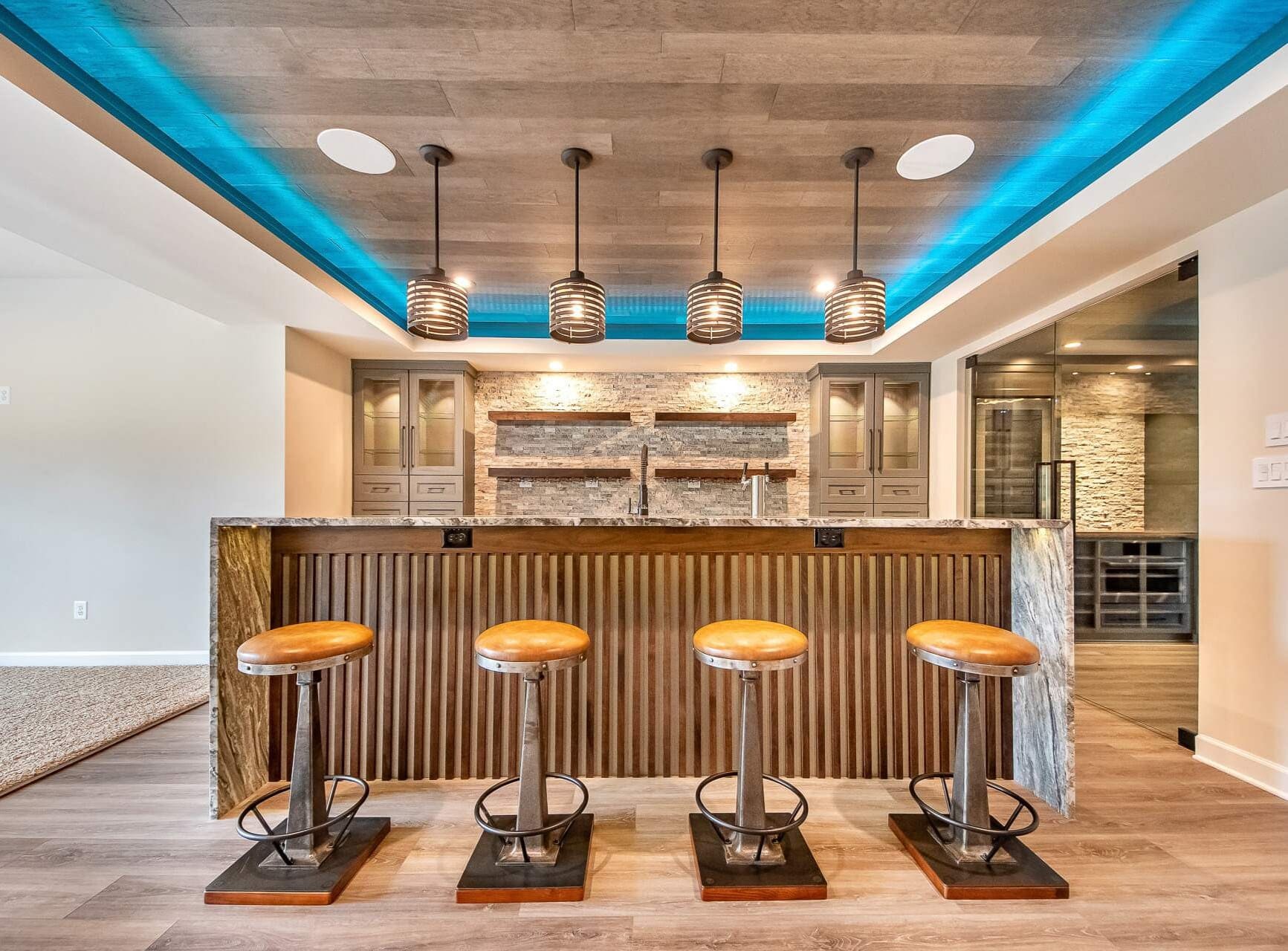
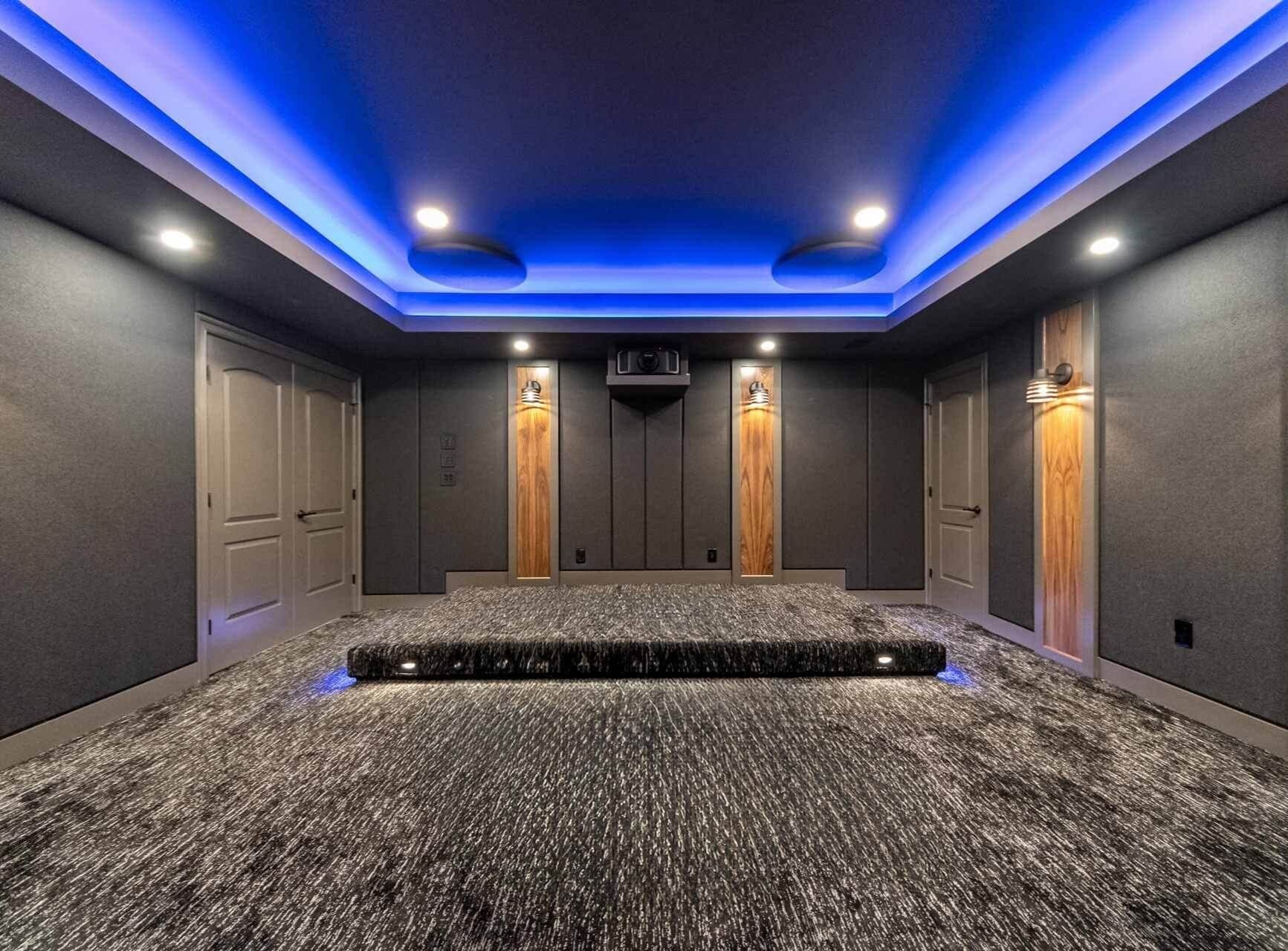
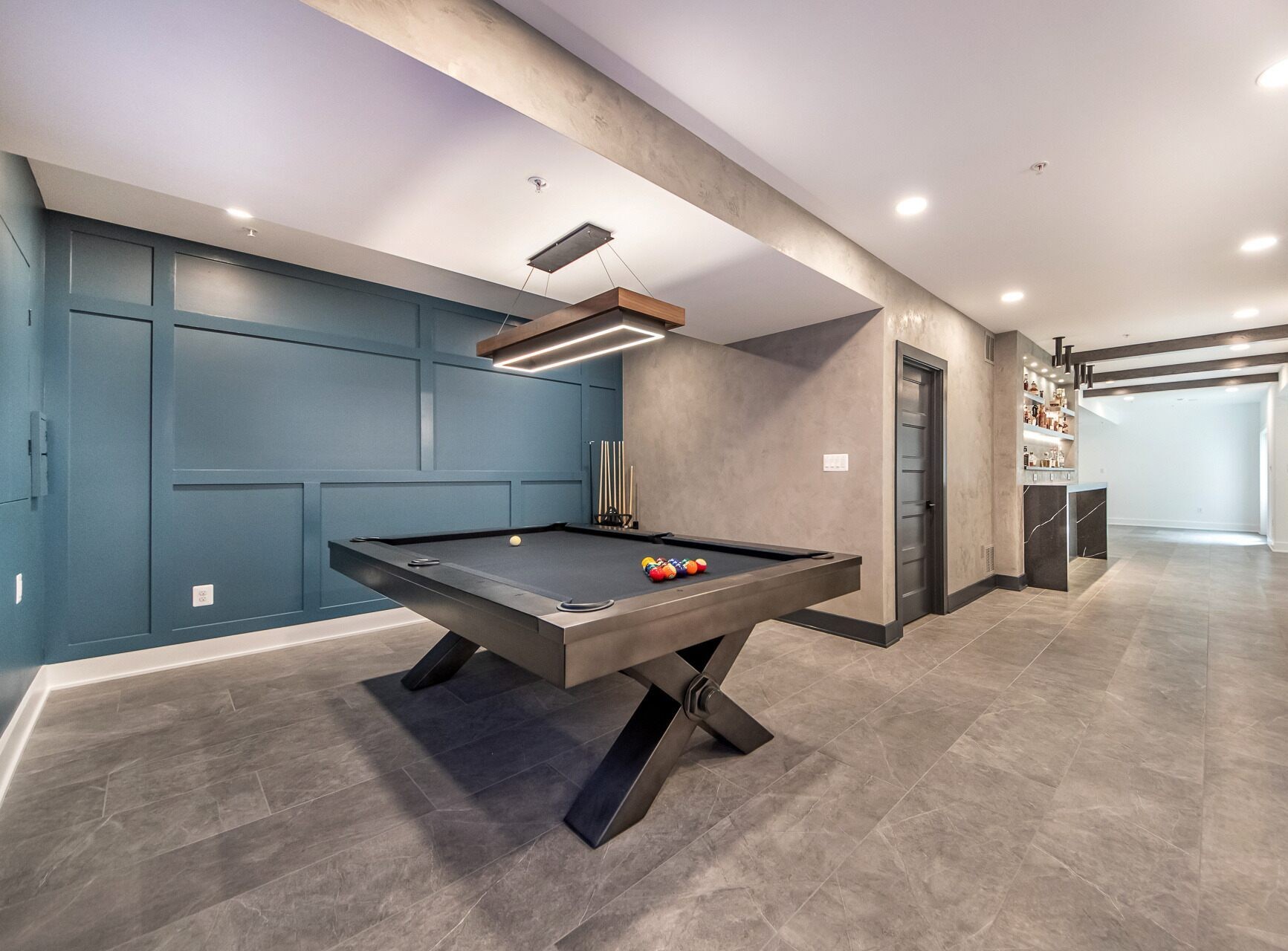
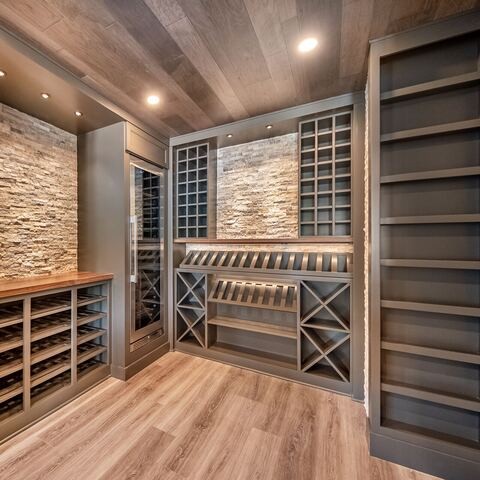
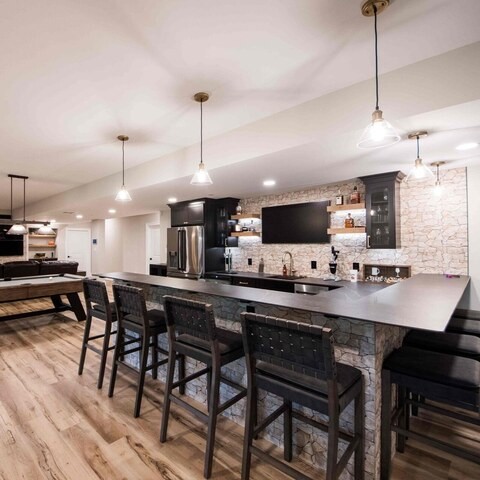
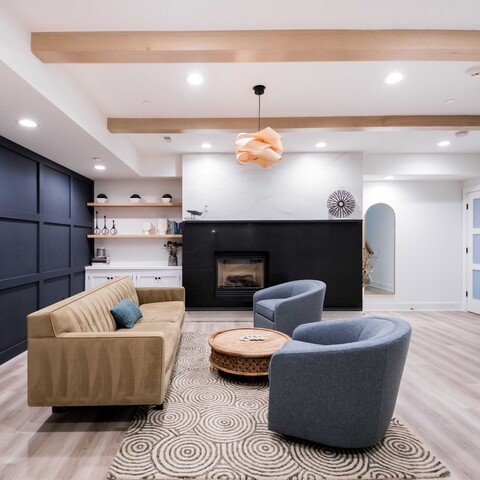
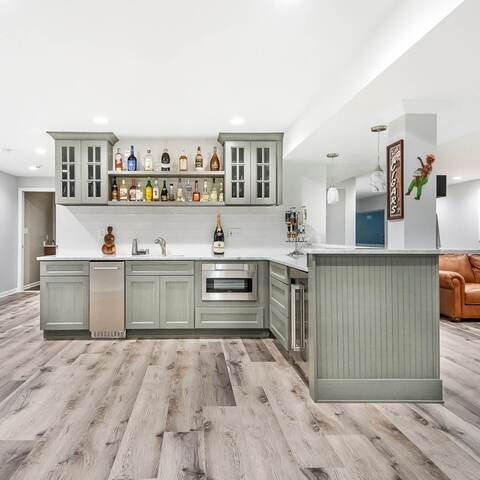
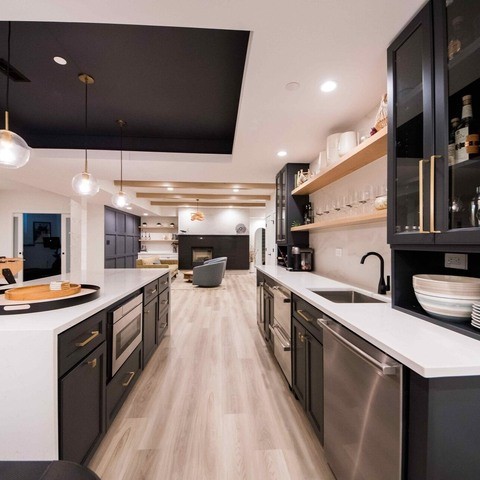
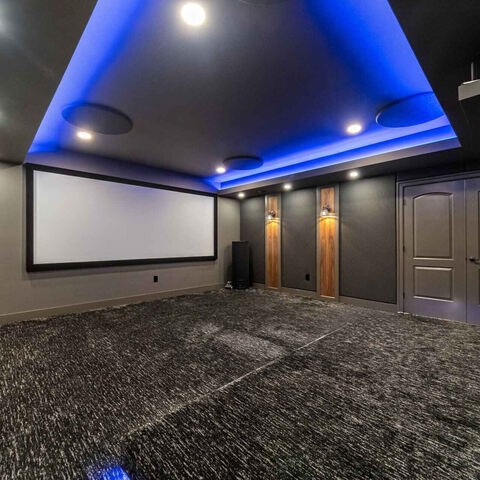
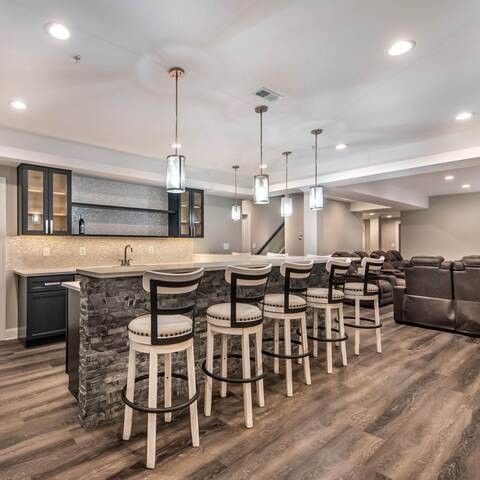
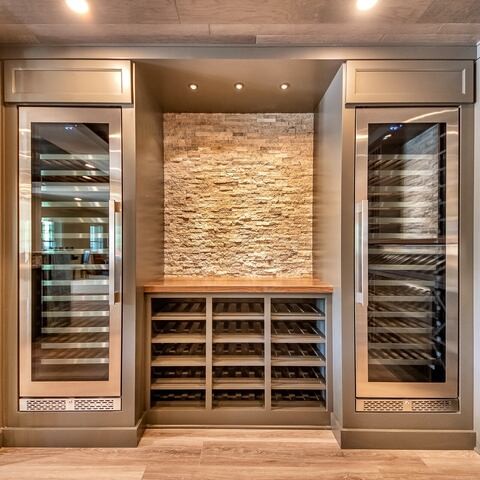
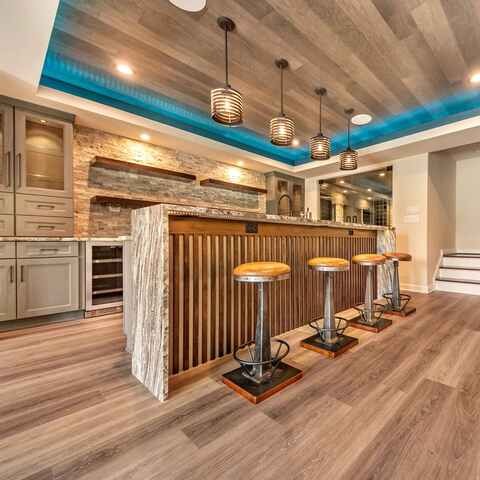
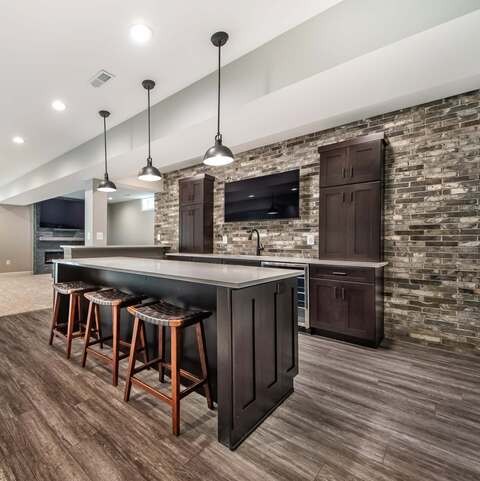
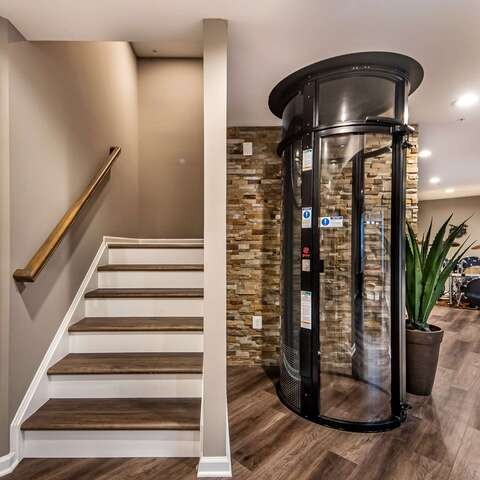
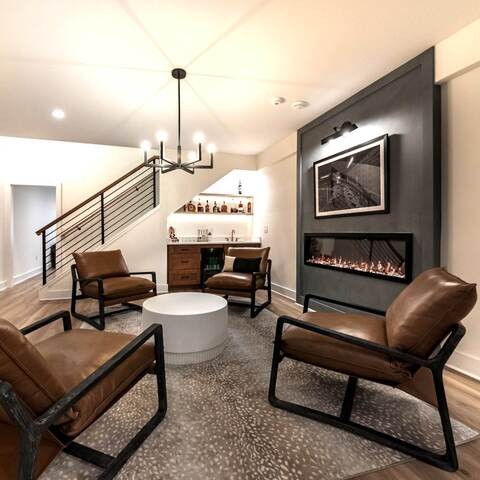
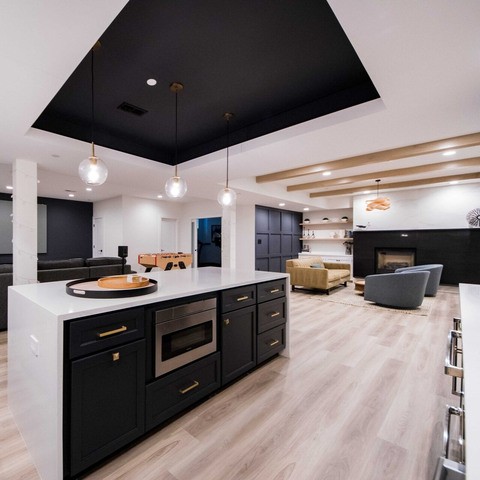
Foxhall basements tend to be generous — these homes were built with scale in mind. But "generous" doesn't mean "finished." Many lower levels are still configured as utility space: mechanicals, storage, maybe an outdated recreation room that hasn't been updated since the Reagan administration. The potential is obvious. Wine cellars with proper climate control. Screening rooms for private entertaining. Fitness facilities that rival boutique gyms. Staff or guest quarters with complete separation from the main residence. Home offices insulated from household activity.
The older Foxhall estates — some dating to the early 1900s — often require structural work to meet modern expectations. Basement lowering and underpinning address ceiling height limitations, bringing these spaces up to the 7+ feet required for permitted living areas. For homeowners interested in generating income or creating flexible arrangements, legal accessory dwelling units work well given the lot sizes and opportunities for private entrances. Condo conversions can create separately deeded units worth $500K+ given Foxhall property values.
Timeline varies with scope. Standard finishing projects take 12–18 weeks from permit approval to completion. Structural work involving lowering or underpinning extends that to 18–28+ weeks — the kind of precision required on estate-quality homes simply takes longer to execute properly. We carry insurance appropriate for high-value properties, maintain strict confidentiality, and deliver workmanship that belongs in homes of this caliber.








.jpg)