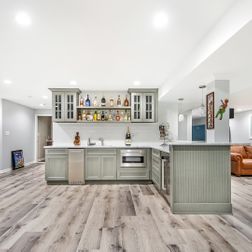
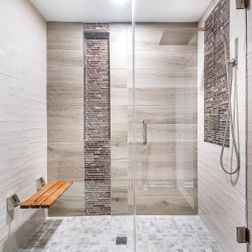
Georgetown real estate operates on a different level. Federal-style townhouses, historic row homes dating back to the 1800s, and some of the most coveted addresses in the entire DMV. But here's what most Georgetown homeowners overlook: there's an entire floor beneath their feet that's either empty, underutilized, or stuck in the 1970s.
We've been remodeling Georgetown basements for over two decades, and we understand what makes this neighborhood different. The historic preservation rules here aren't suggestions — the Old Georgetown Board reviews everything, and they don't mess around. Exterior changes, window placements, entrance modifications — it all needs approval. We've been through this process dozens of times and know exactly what flies and what gets rejected.
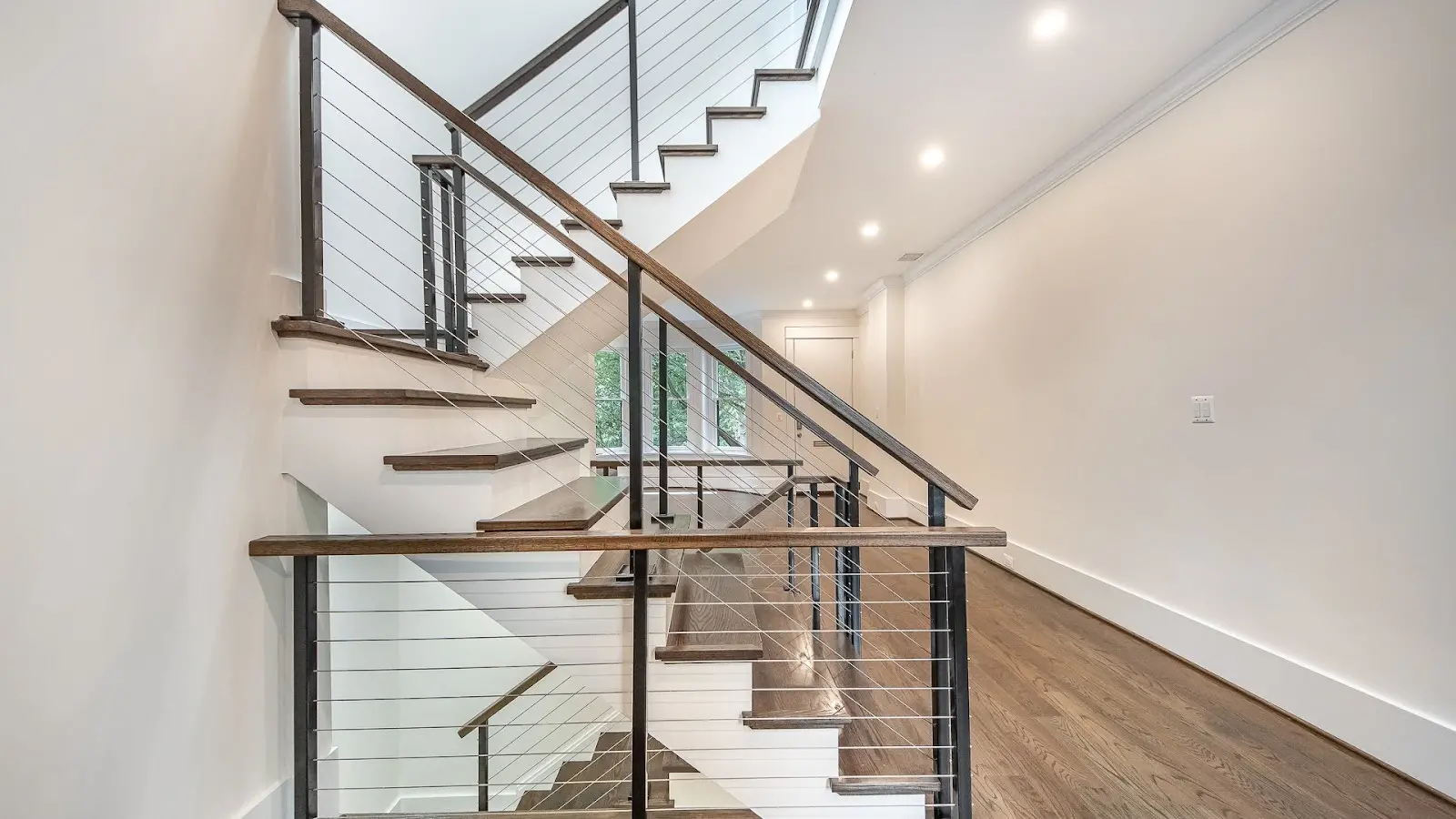
The typical Georgetown basement presents a familiar challenge: beautiful 200-year-old homes built when nobody expected the lower level to be living space. You're often looking at stone foundation walls, irregular layouts, and ceilings that won't meet modern code without intervention. Slab lowering and underpinning are common here — it's how you turn a cramped cellar into a legitimate, permitted living area.
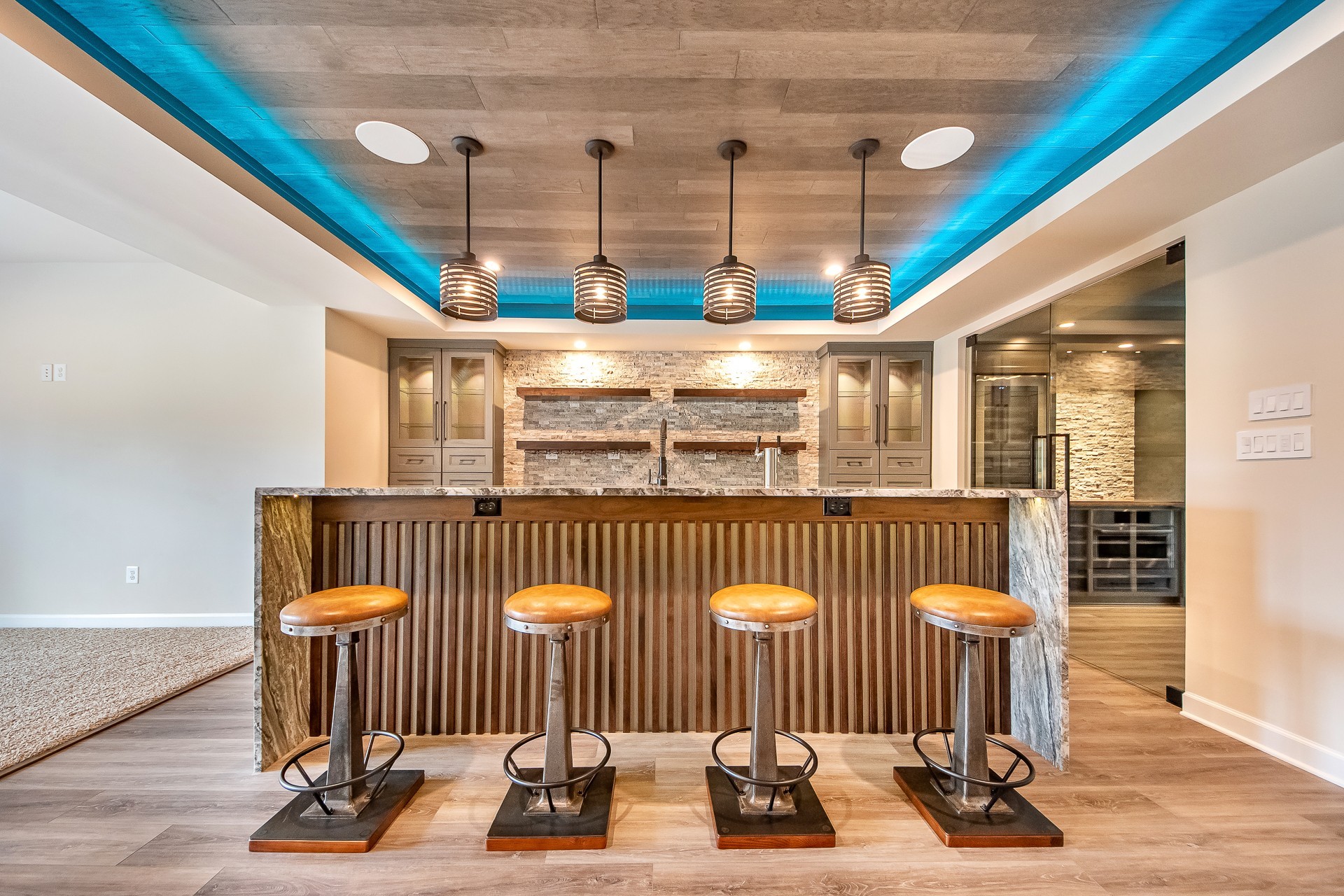
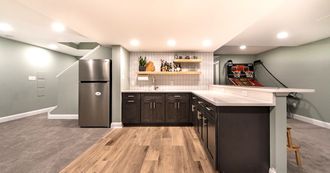
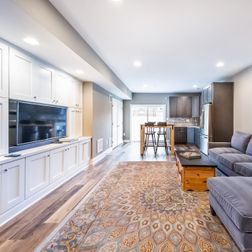
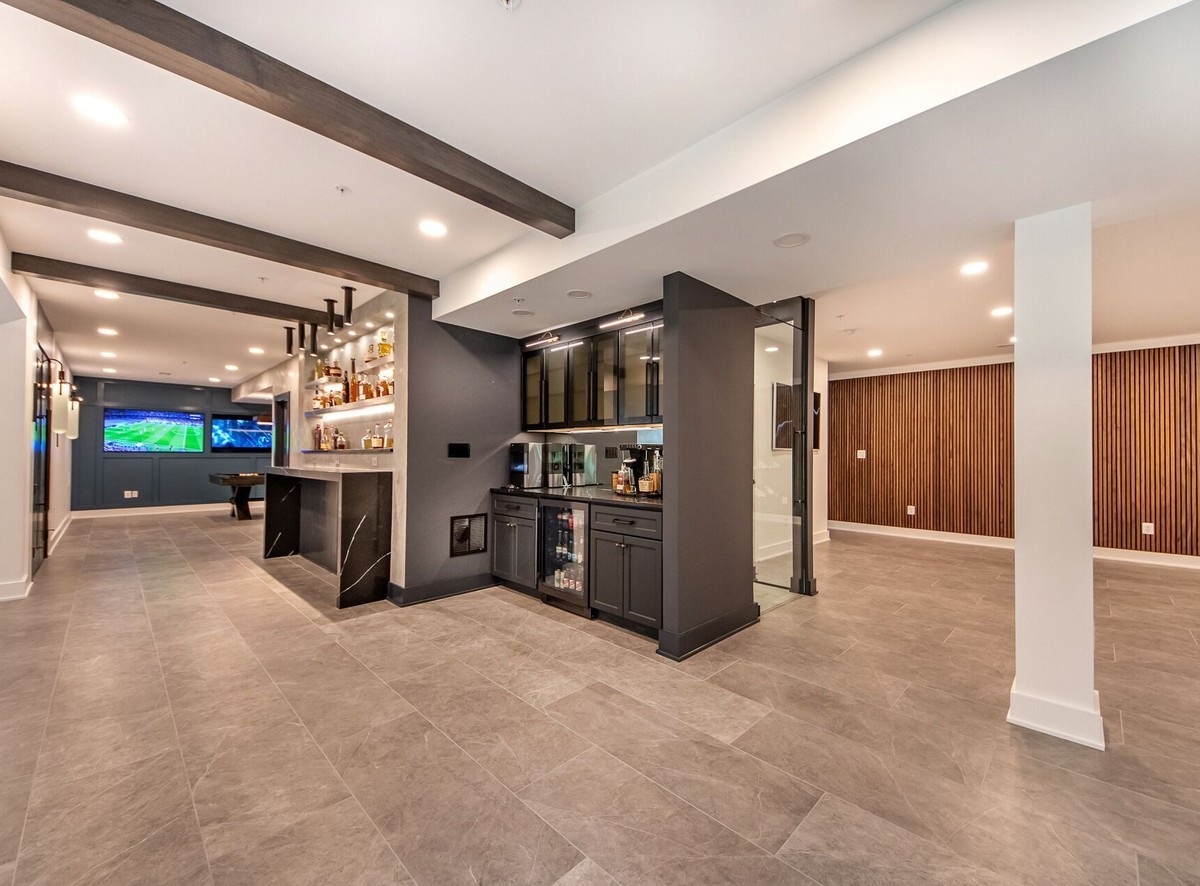
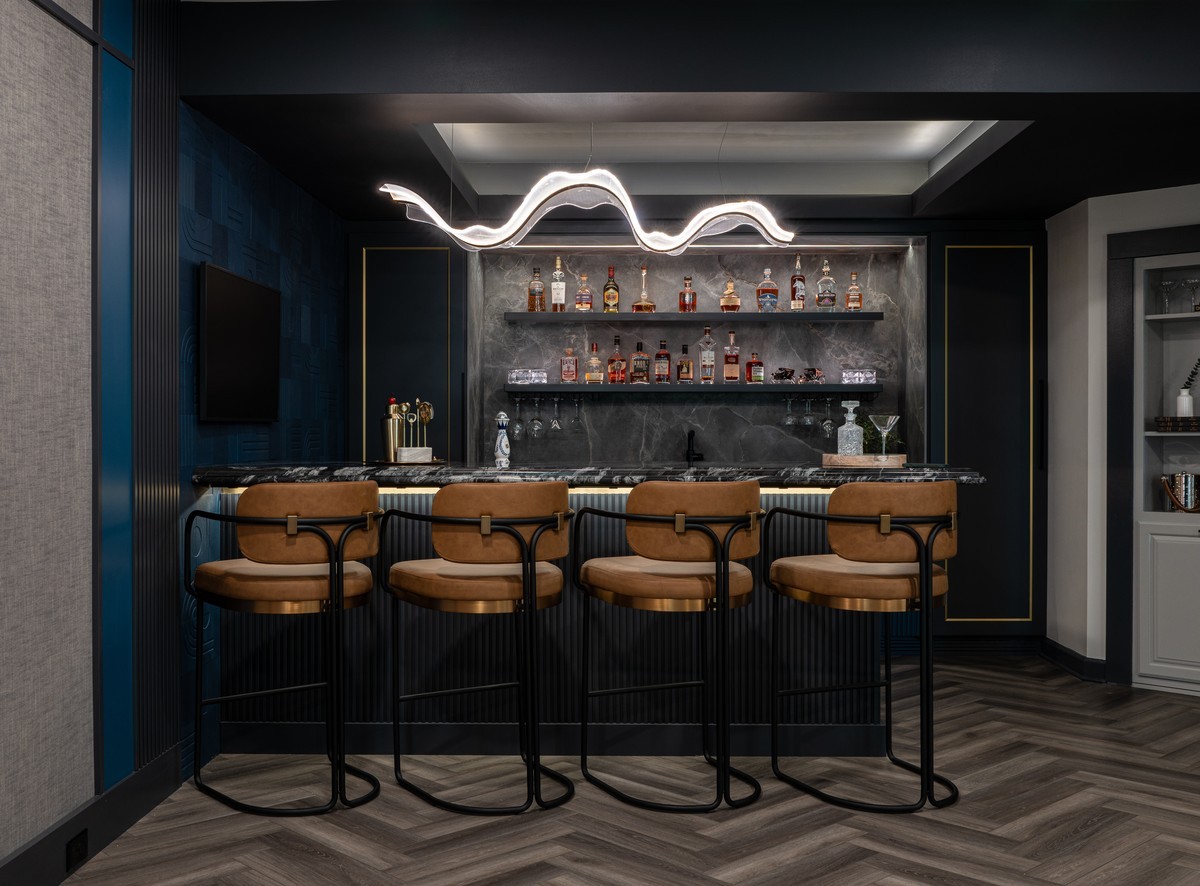
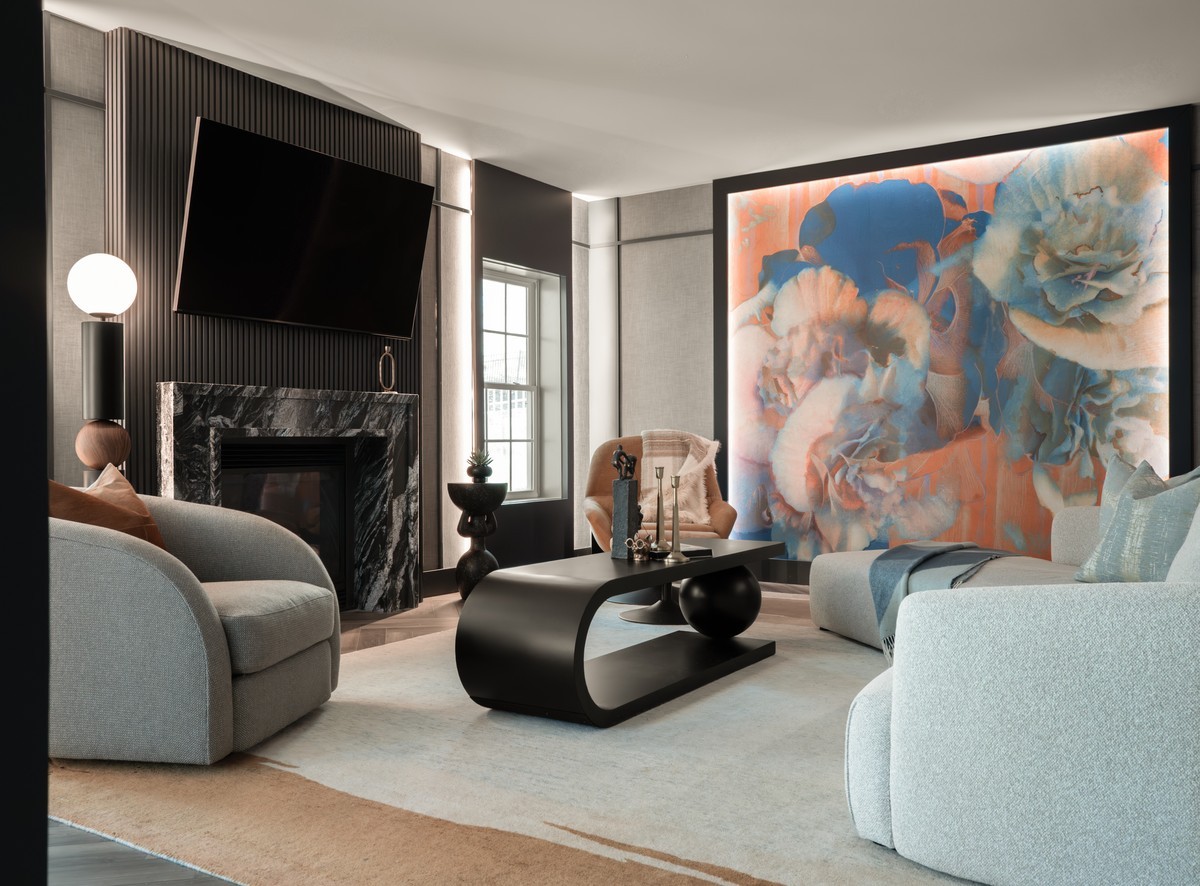
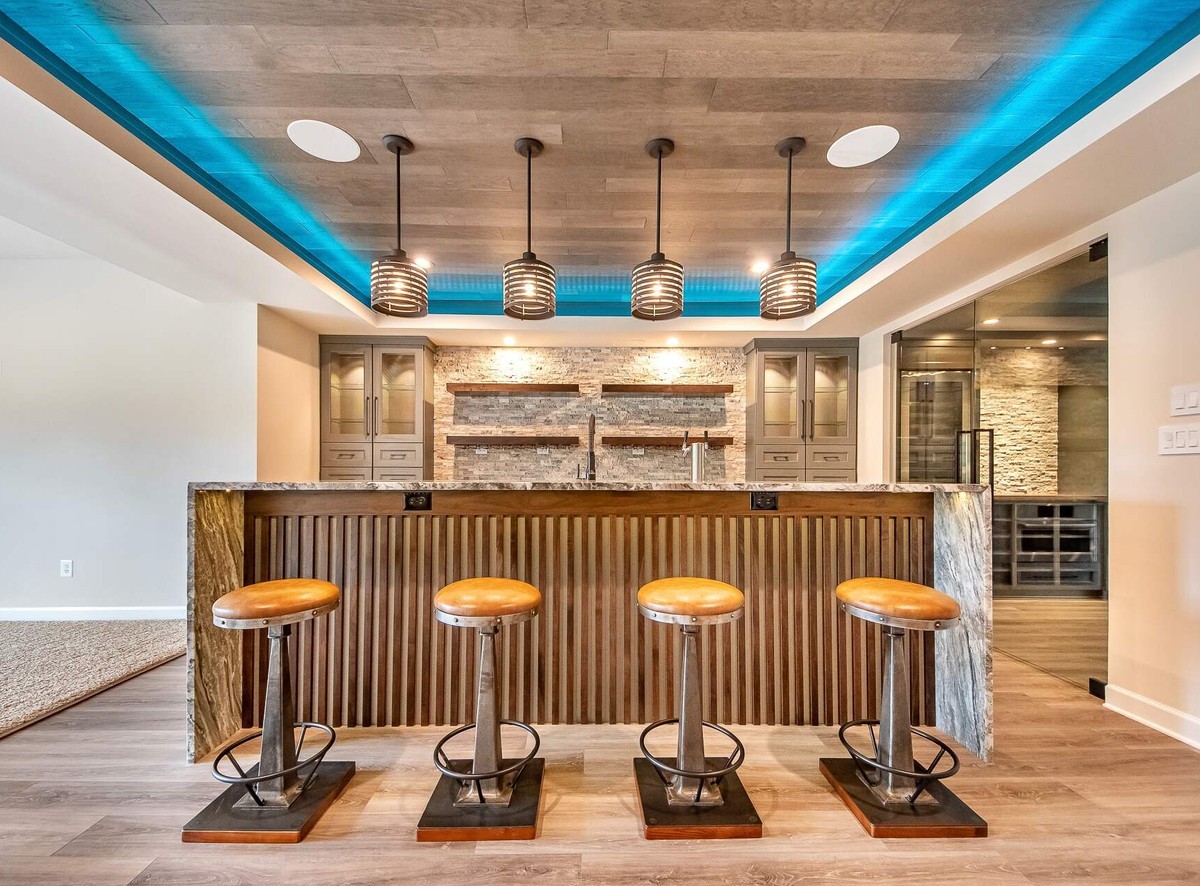
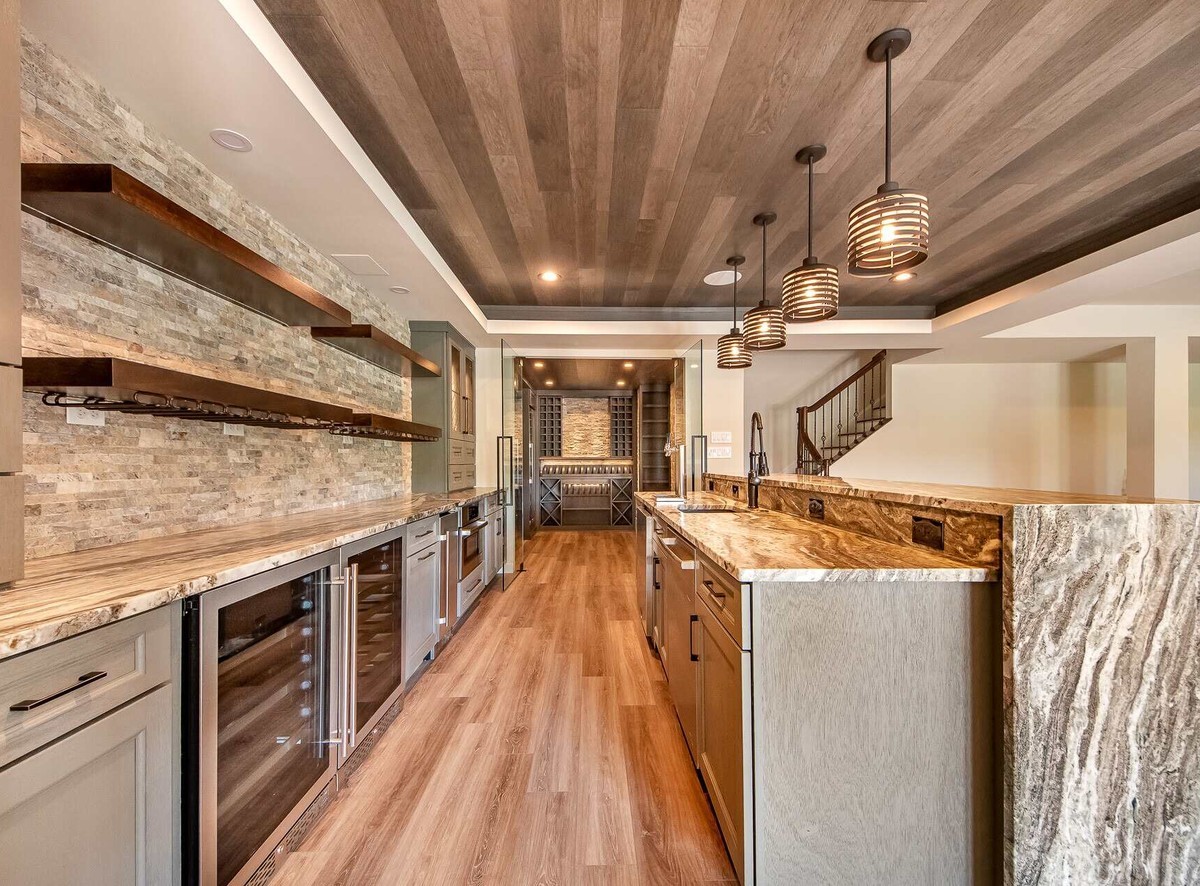
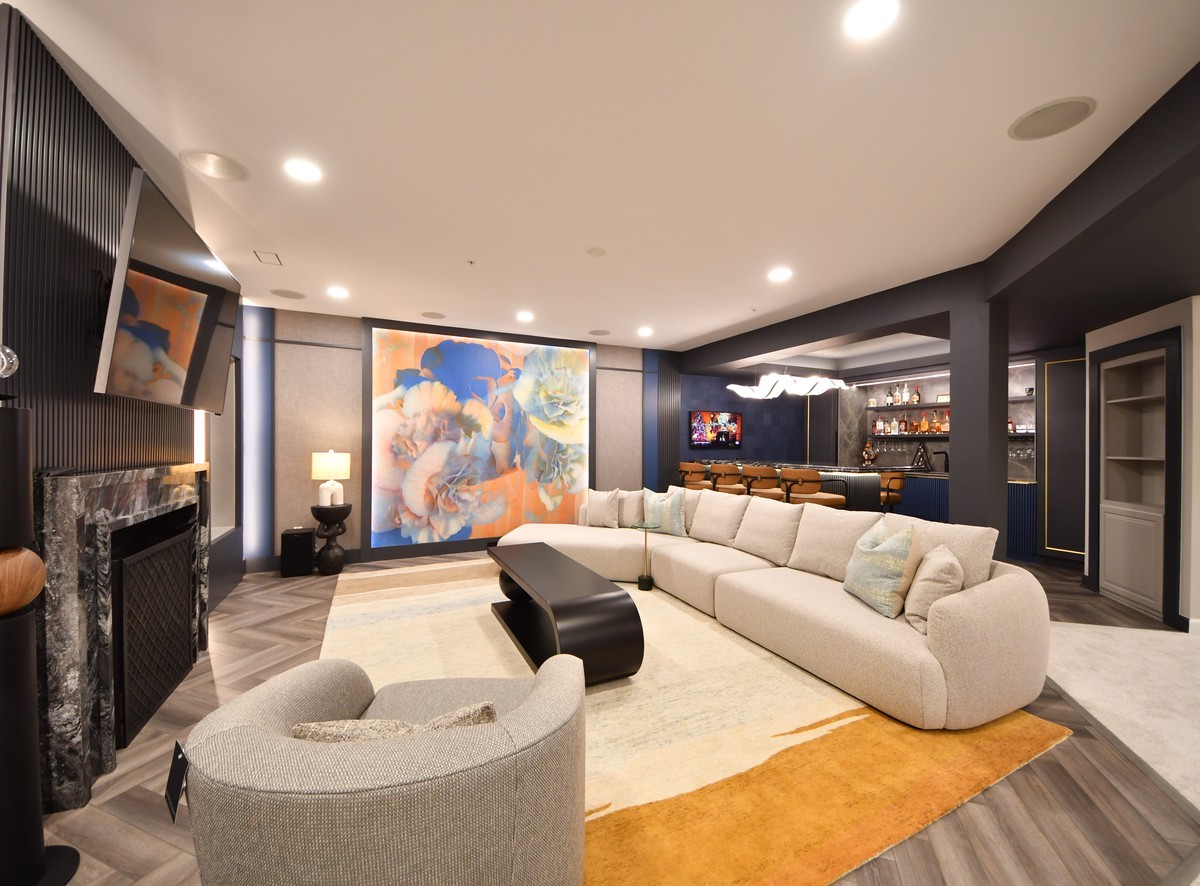
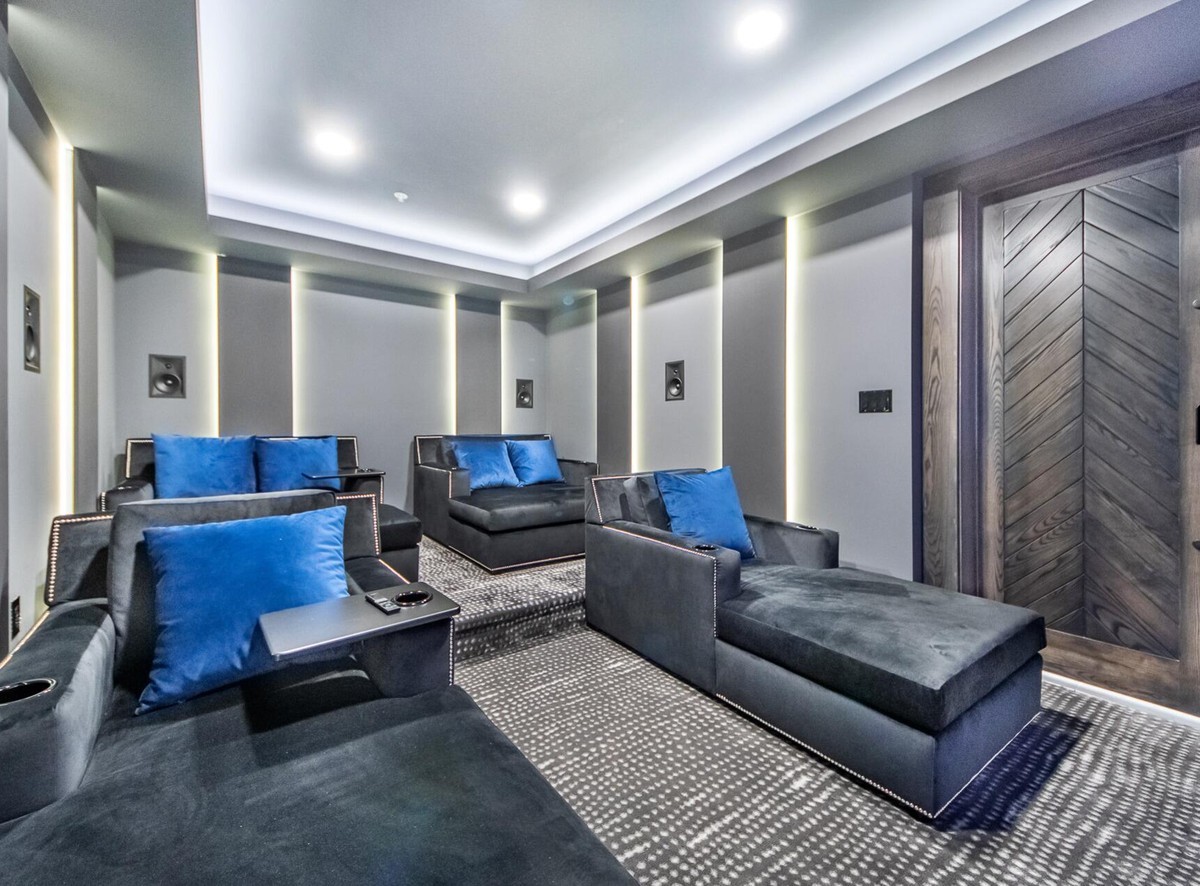
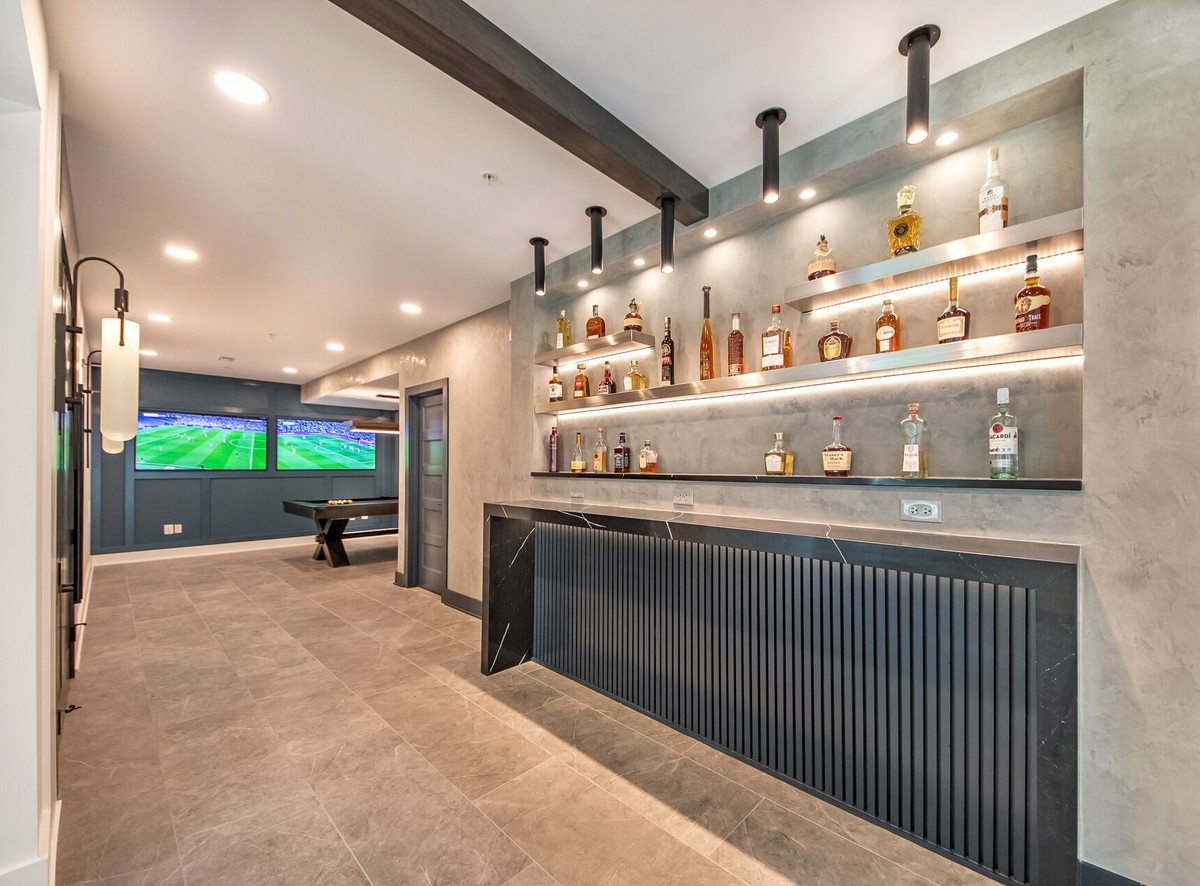
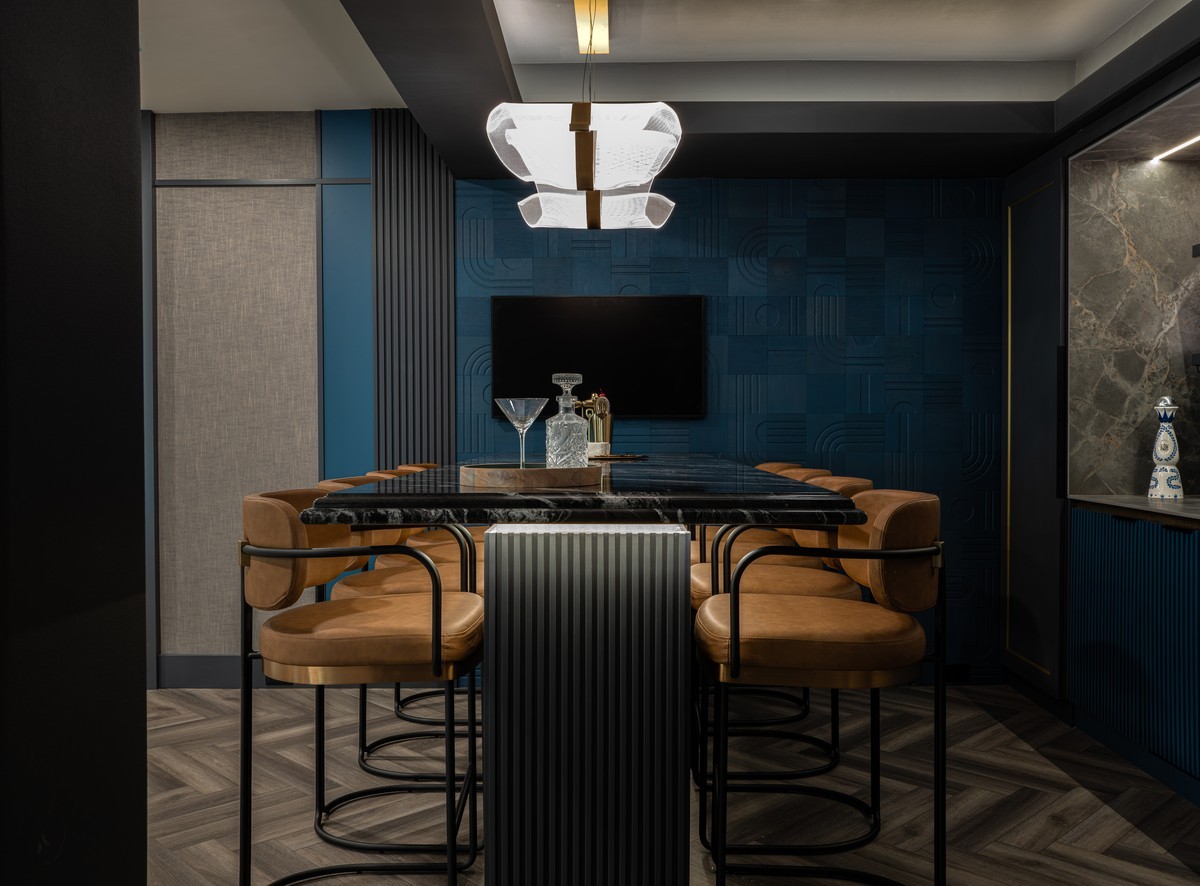
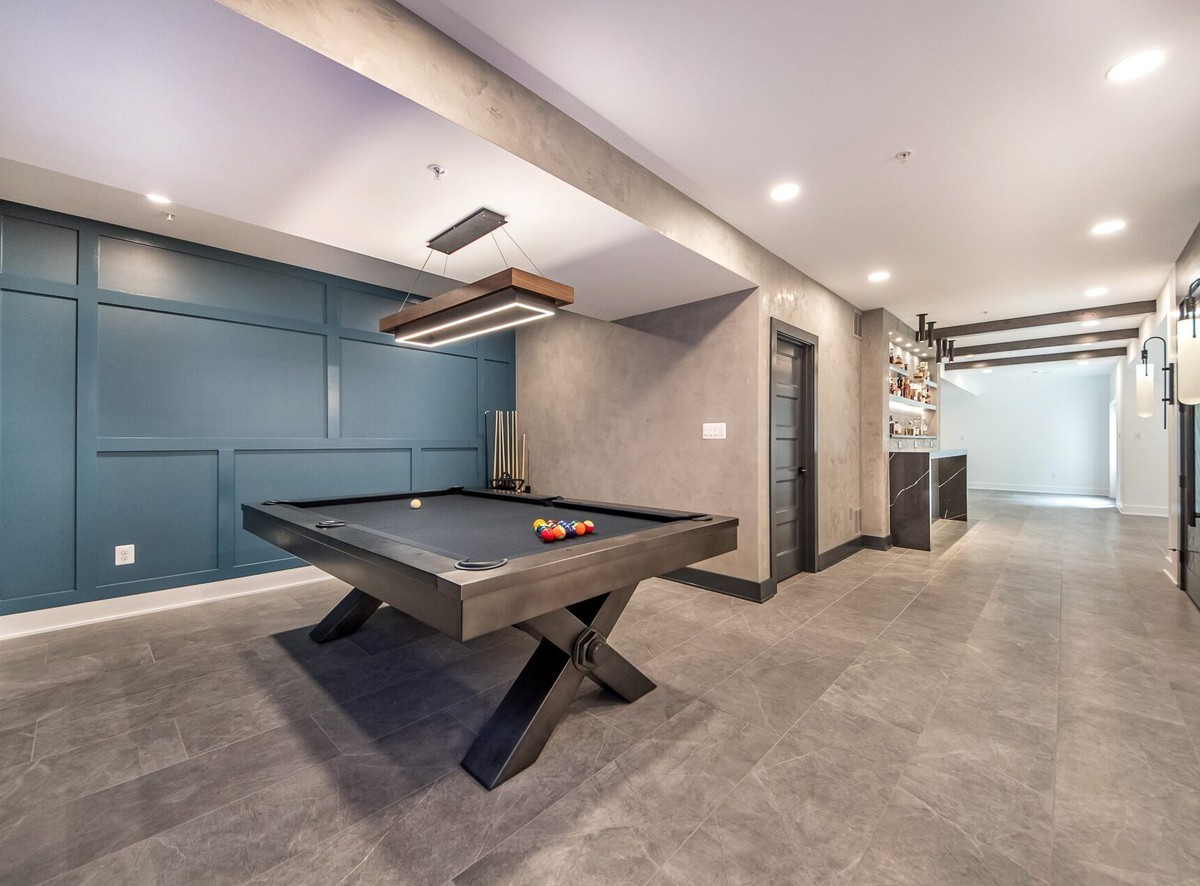
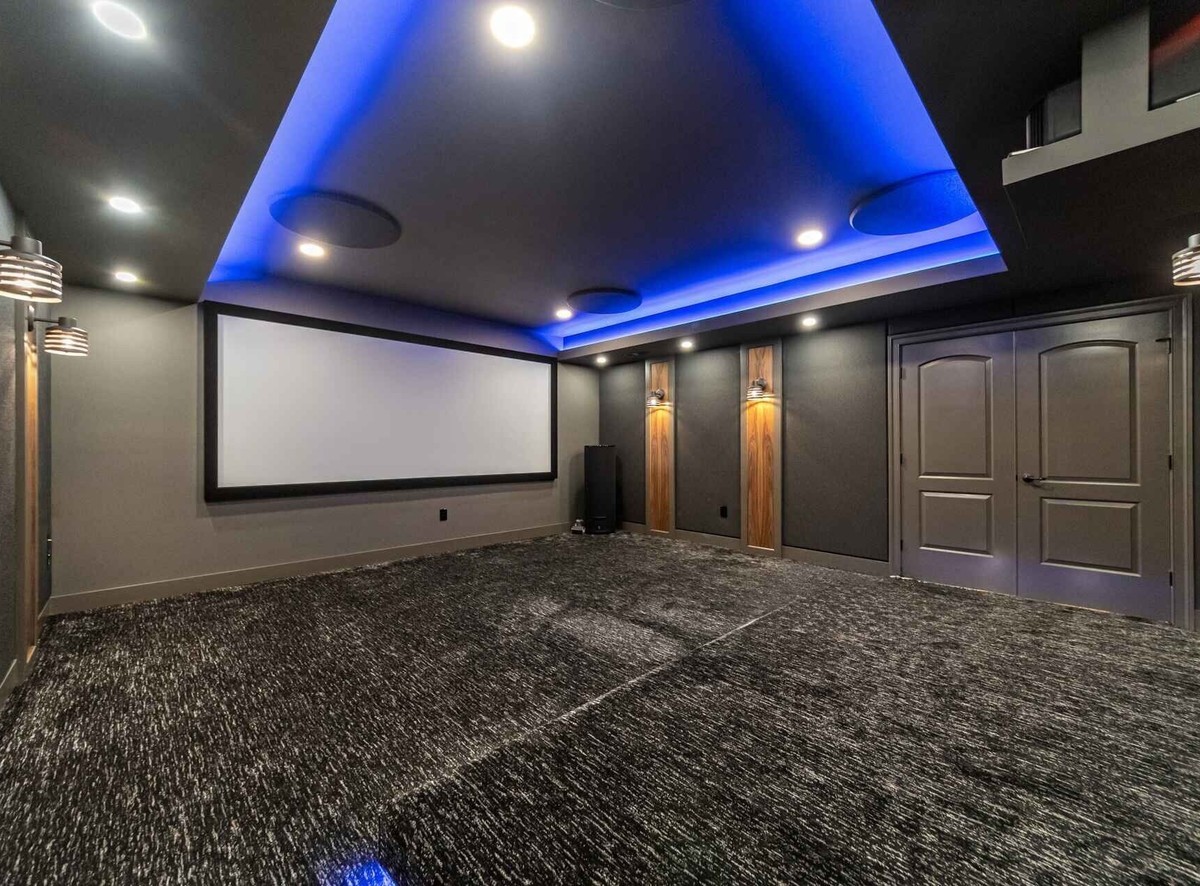
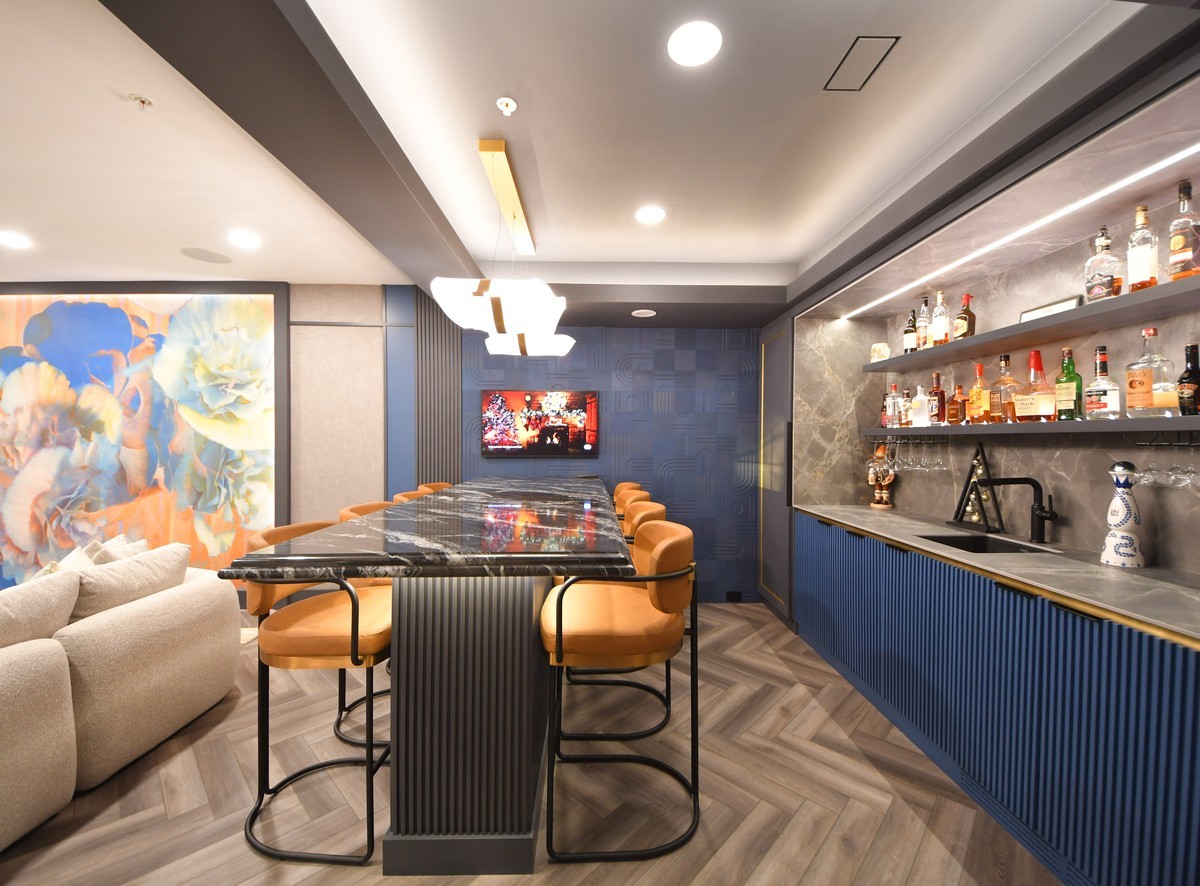
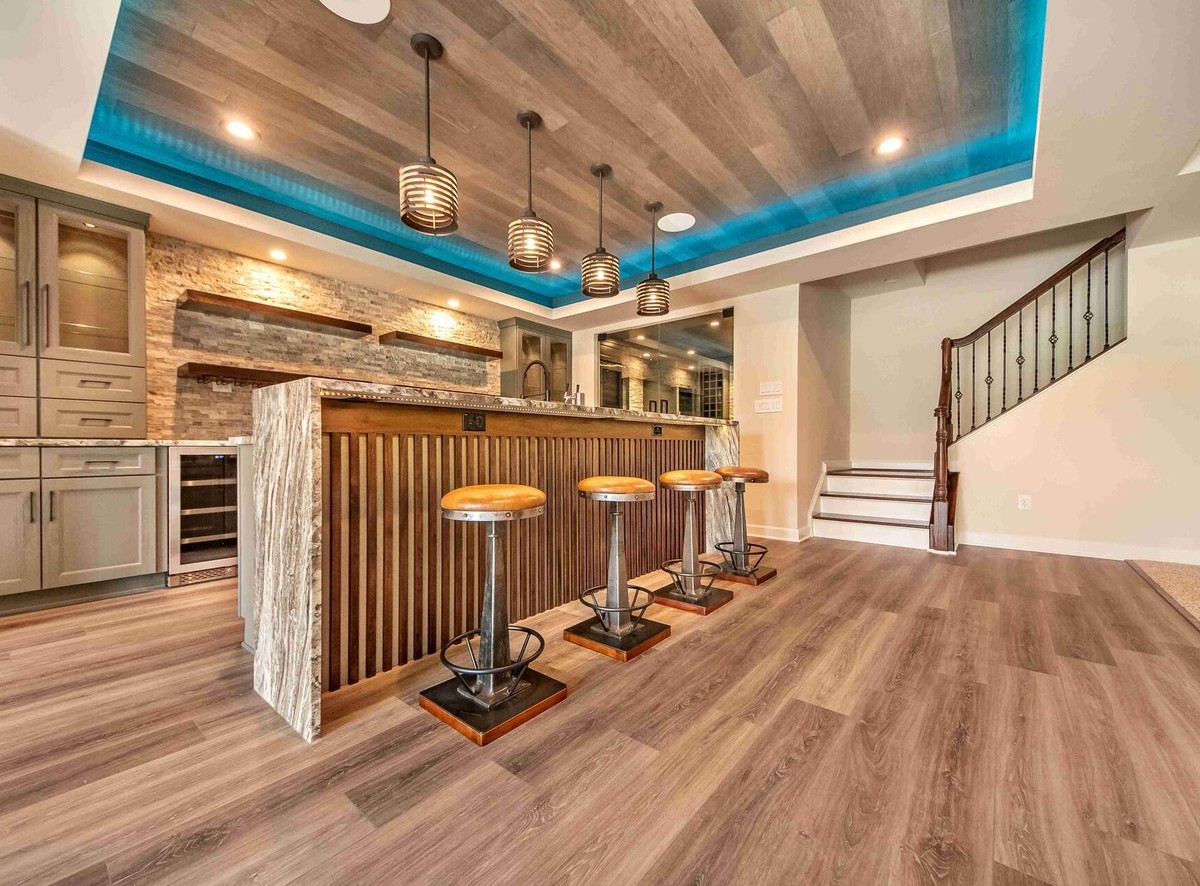
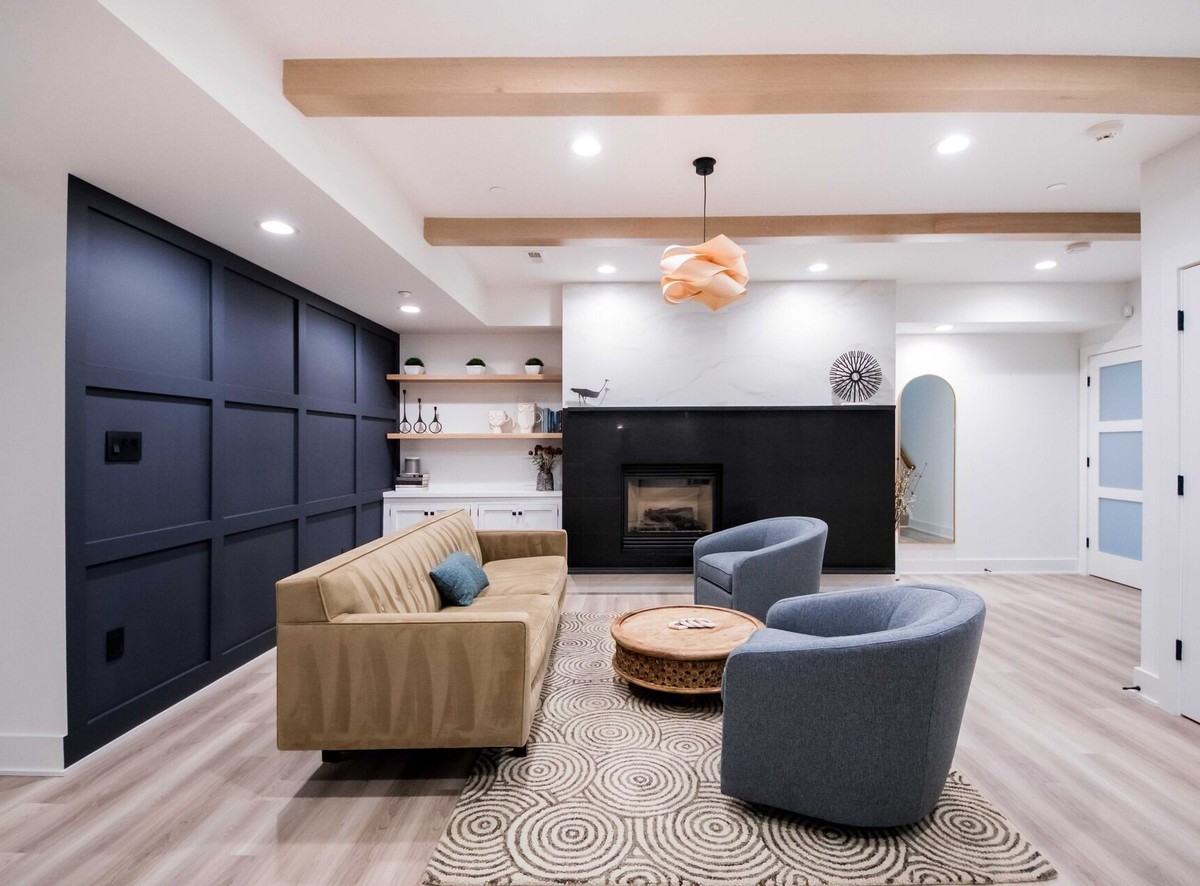
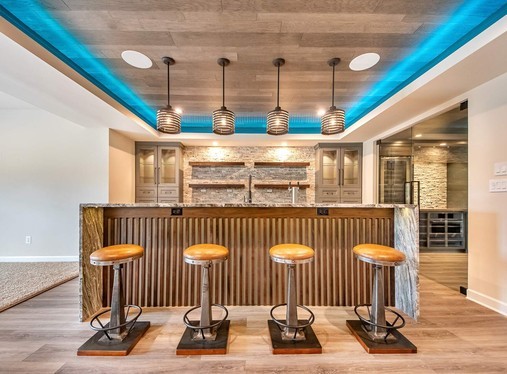
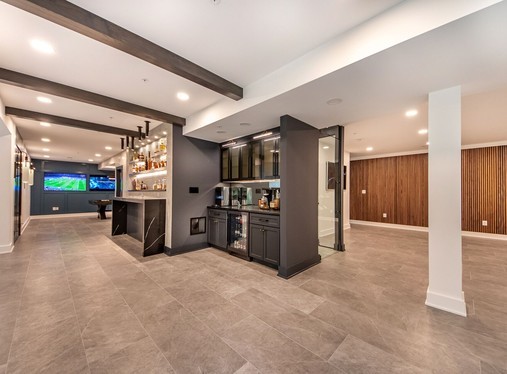
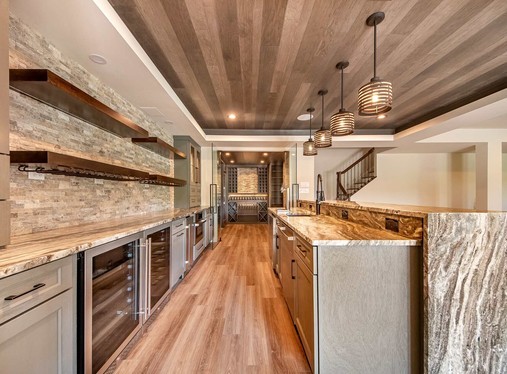
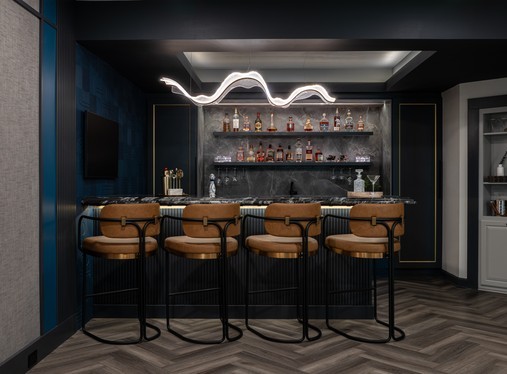
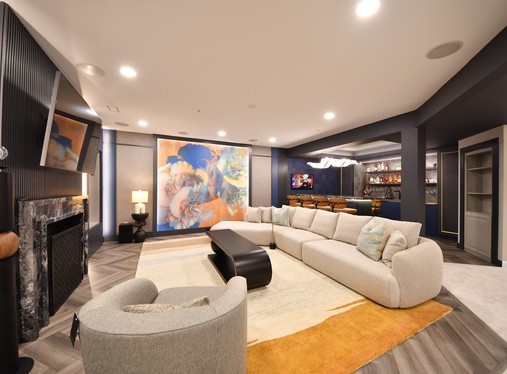
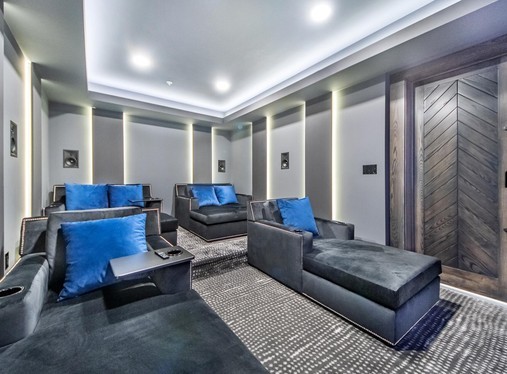
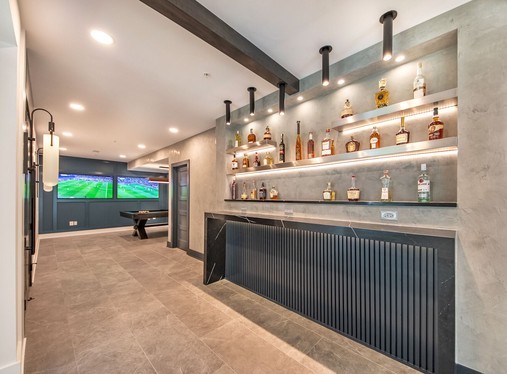
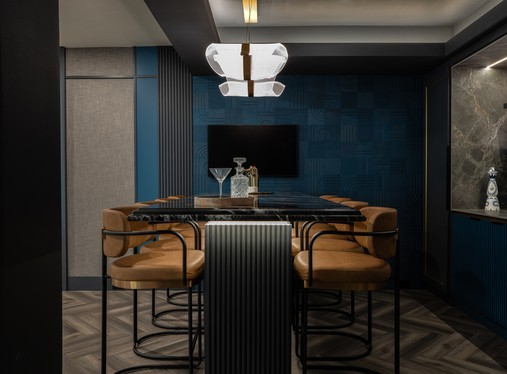
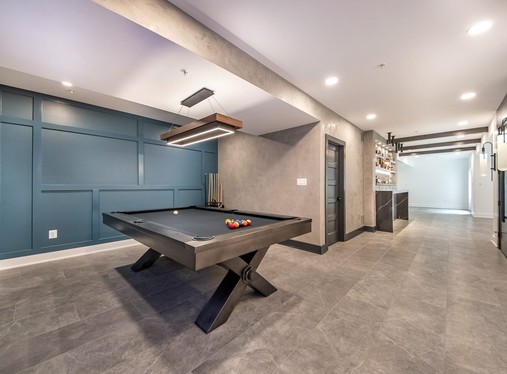
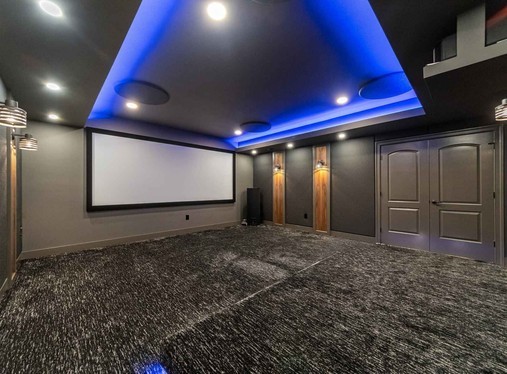
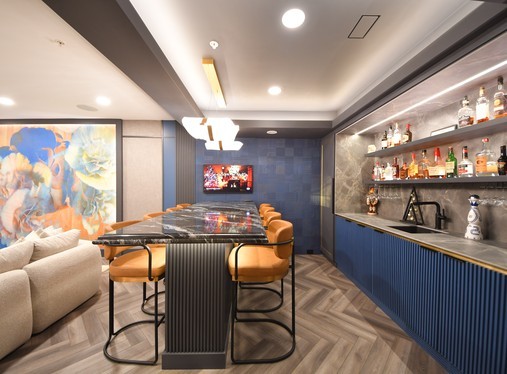
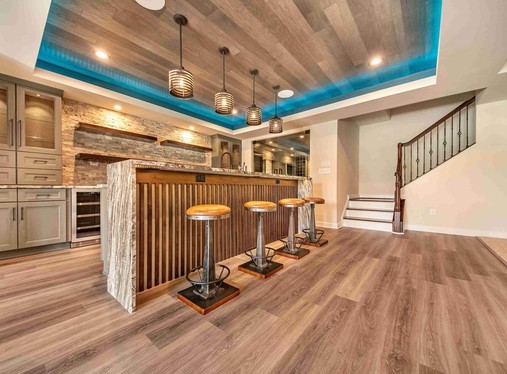
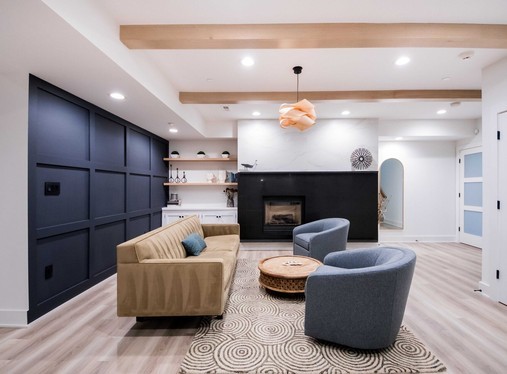
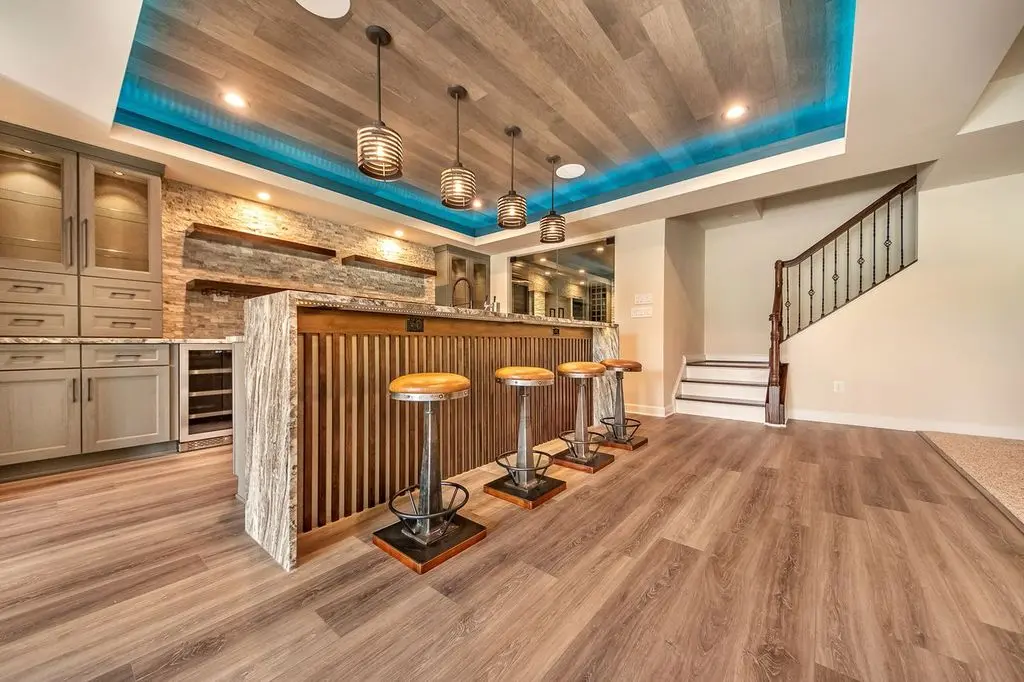
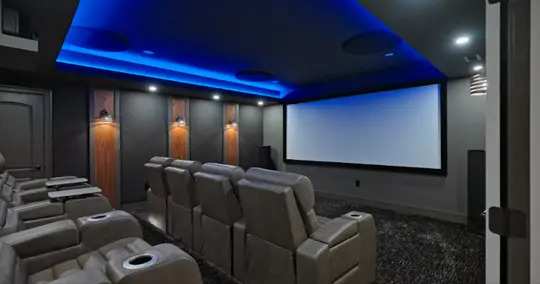
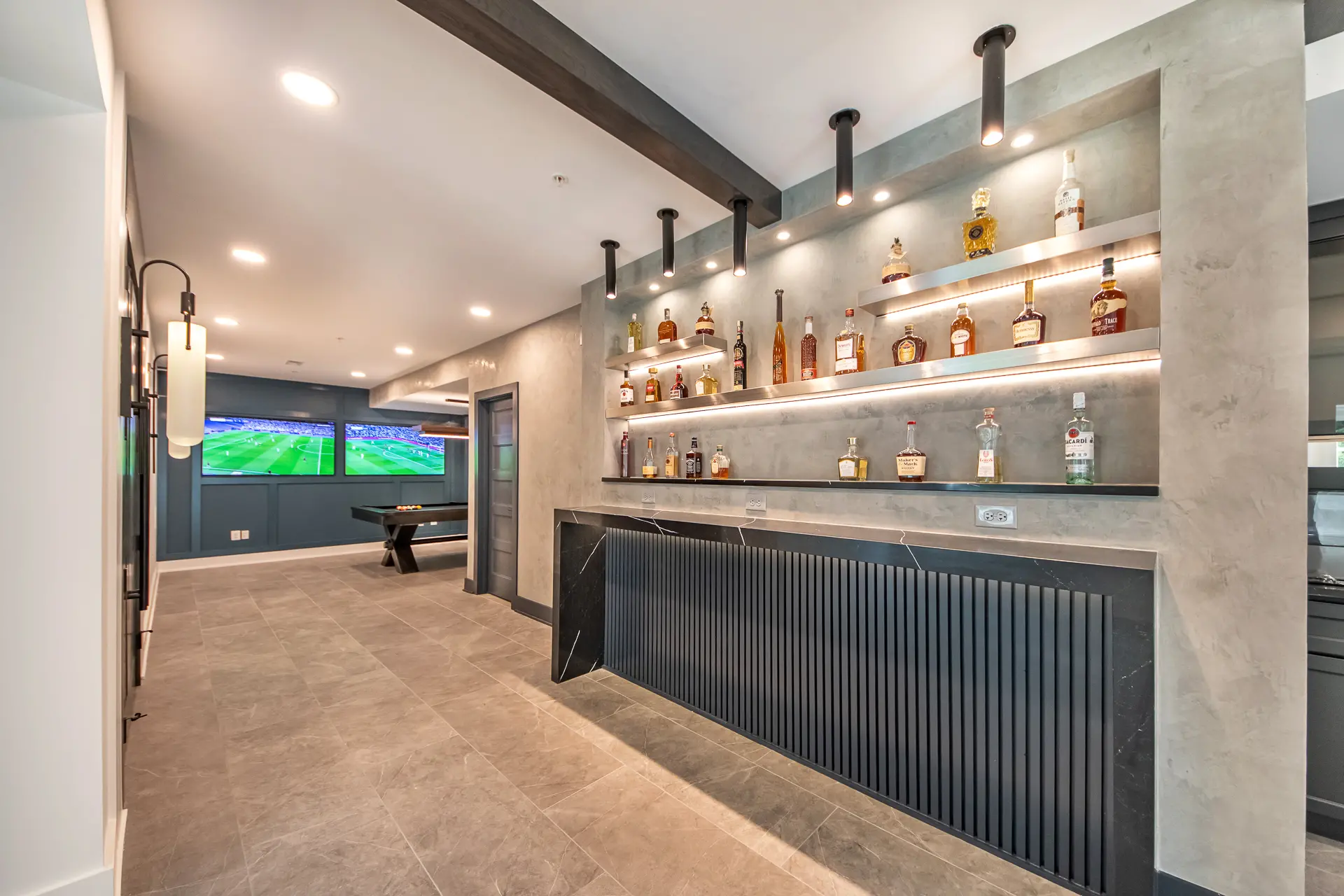
What can that space become? In Georgetown, we see everything: au pair suites for busy families, private home offices away from the main living areas, guest quarters for the steady stream of visitors that DC attracts, wine cellars and entertainment spaces for hosting, or fully legal rental units that command $3,000–4,500 a month given the location. Some owners pursue condo conversions to create separately deeded units — we're talking half a million dollars or more in new real estate carved out of existing square footage.
Timeline depends on scope. Standard basement finishing in Georgetown runs 12–18 weeks once permits are secured. Projects requiring lowering, underpinning, or significant structural work take 18–28+ weeks — historic homes demand careful engineering and there's no rushing foundation work. We're licensed in DC, we carry proper insurance for high-value properties, and we don't disappear mid-project. Your home is worth too much for anything less.


























.jpg)
_(1).jpg)